
Black Proxy Guide: Your Essential Handbook for 2025
In 2025, protecting your digital privacy and securing unrestricted internet access is more crucial than ever. The surge in online surveillance and content restrictions has made mastering black proxy technology essential for anyone serious about online freedom.
This guide will demystify black proxy fundamentals, give you practical advice, and highlight best practices for safe, anonymous, and efficient internet use. Whether you’re an individual, a business, or a researcher, you’ll learn how to select, configure, and fully leverage black proxy solutions.
You’ll discover real-world use cases, understand key selection criteria, and receive a step-by-step setup walkthrough. We’ll also cover advanced strategies, legal and ethical considerations, and future trends, ensuring you stay ahead in the evolving world of black proxy technology.
Understanding Black Proxies: Fundamentals and Types
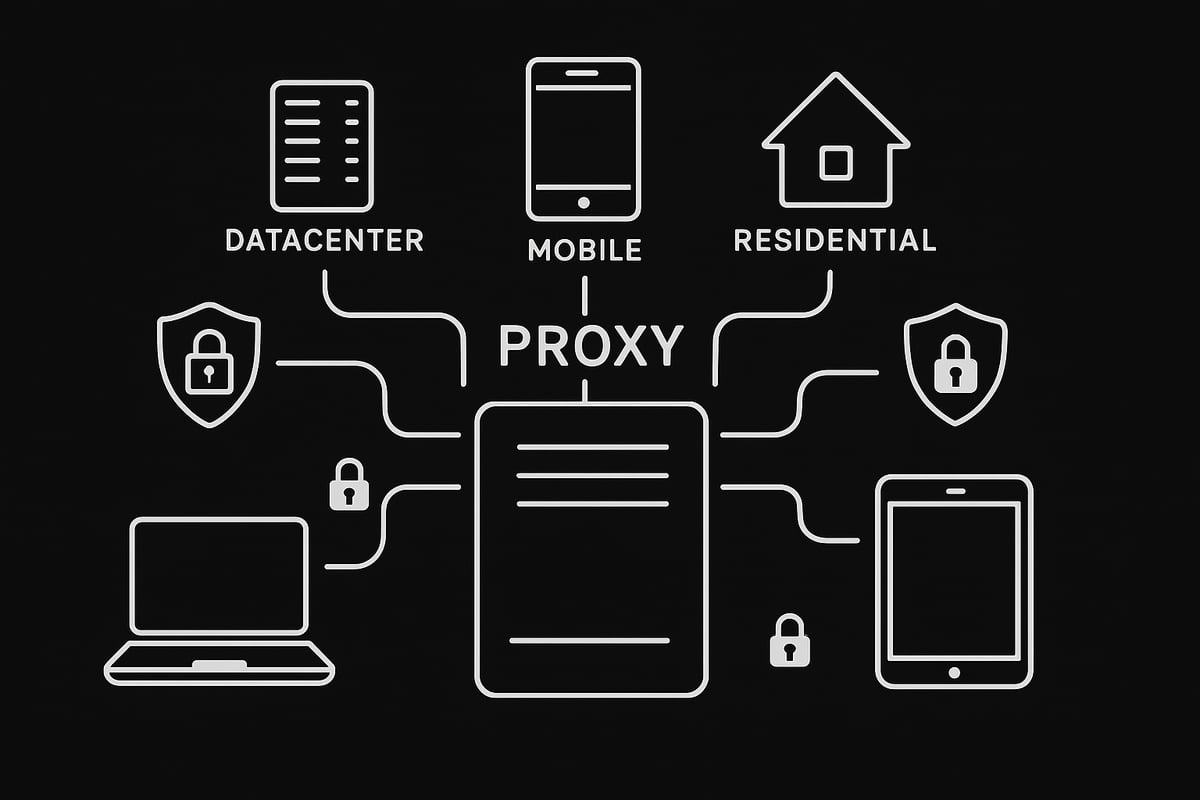
Black proxies are specialized intermediary servers designed to maximize privacy, anonymity, and access to restricted content online. Unlike basic proxies, a black proxy often leverages advanced techniques to mask user identity, making digital footprints nearly invisible. Many confuse black proxies with residential, datacenter, or mobile proxies, but each serves unique purposes and operates differently. Some believe black proxies are always illegal or unreliable, yet in reality, they are widely utilized for ethical web scraping, cybersecurity research, and bypassing censorship. For a deeper dive into the distinctions between proxy types, check out the Types of proxy servers explained resource.
What Are Black Proxies?
A black proxy is defined by its robust anonymization and ability to facilitate secure, unrestricted internet access. Unlike residential proxies that use real user IPs, or datacenter proxies that originate from cloud servers, black proxies can incorporate both, depending on configuration. Common misconceptions suggest black proxies are inherently risky or used solely for malicious intent, but many businesses employ them for competitive intelligence or brand protection. For instance, a black proxy might be used to gather unbiased search results or monitor global pricing, ensuring anonymity throughout the process.
Types of Black Proxies Available in 2025
Black proxies in 2025 come in two main forms: static and rotating. Static black proxies maintain the same IP address, ideal for sessions requiring consistency, while rotating proxies change IPs at set intervals, boosting anonymity for tasks like web scraping. IPv4 black proxies remain popular due to compatibility, but IPv6 proxies offer a vast address pool and are gaining traction. Use cases span from social media management to gaming and global content access. Industry reports show the black proxy market is growing rapidly, with adoption rates projected to rise by 18% in 2025.
How Black Proxies Work: Technical Overview
When you connect to the internet through a black proxy, your request first routes through the proxy server, which masks your real IP and encrypts your data. Modern black proxies utilize standards like TLS and SOCKS5 for secure, leak-resistant connections. Performance is shaped by latency, bandwidth, and server reliability, with high-end proxies offering minimal delays. Consider this simple flow:
User Device -> Black Proxy -> Target Website (anonymized)
User Device (no proxy) -> Target Website (exposed)
By rerouting and encrypting traffic, a black proxy shields your identity and enhances security.
Key Benefits and Drawbacks
The primary advantage of using a black proxy is enhanced privacy, shielding users from surveillance and tracking. Black proxies also enable bypassing geo-restrictions and censorship, granting access to region-locked content and services. However, risks include potential legal issues, reliability concerns, and the need to trust the proxy provider. According to 2024 data, over 38% of privacy-conscious users now adopt proxies like black proxy solutions to safeguard their online activity. Assessing benefits versus drawbacks is crucial in determining if a black proxy fits your needs.
Choosing the Right Black Proxy Provider in 2025
Selecting a reliable black proxy provider in 2025 is crucial for safe, seamless, and anonymous online activity. The market is crowded with options, but not all providers deliver the same level of performance, security, or customer care. Knowing what to look for helps you avoid common pitfalls and ensures your investment pays off in privacy and efficiency.
Essential Selection Criteria
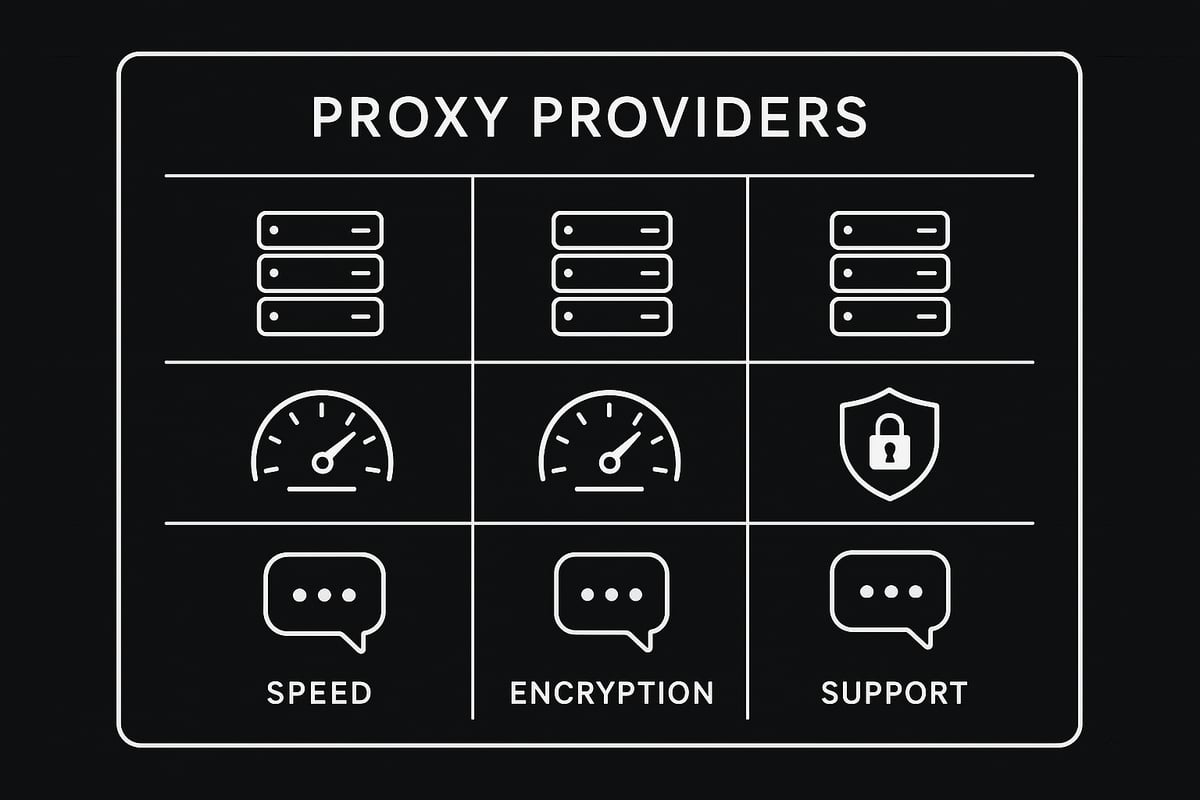
When evaluating a black proxy provider, start with the basics: speed, uptime, and bandwidth. High-speed connections and guaranteed uptime are non-negotiable for demanding applications like web scraping or streaming. Assess the supported protocols - SOCKS5 and HTTP/HTTPS are essential for flexibility across use cases.
Geographic diversity and a large IP pool reduce the risk of blocks, while a strict zero-log policy ensures your data stays private. To see how leading providers stack up, check out the Top 5 Proxy Service Providers for 2025 for a side-by-side feature comparison.
| Criteria | Why It Matters | What to Look For |
|---|---|---|
| Speed/Uptime | Fast, reliable access | 99.9% uptime, low latency |
| IP Pool Size | Avoids bans, supports scaling | 100k+ rotating IPs |
| Protocol Support | Compatibility with apps/browsers | SOCKS5, HTTP/HTTPS |
| Privacy Commitment | Protects user identity | Strict zero-log policy |
Evaluating Security and Anonymity Features
Security is paramount in any black proxy service. Look for providers with advanced encryption standards and built-in leak protection. Features like 1ms proxy rotation can greatly enhance anonymity, making it harder for websites to track or block you.
Request audit reports or transparency statements to verify claims. Comparing privacy policies will help you spot red flags, like vague data retention practices or unclear ownership. A reputable black proxy provider should openly share how they protect your identity and data.
Pricing Models and Value Assessment
Understanding pricing is key to maximizing value from your black proxy investment. Most providers offer either subscription-based or pay-as-you-go models. Subscriptions may suit heavy users, while pay-as-you-go works for occasional needs.
Watch out for hidden costs, such as overage fees or limitations on concurrent connections. Look for transparent refund policies and bulk IP packages if you operate at scale. In 2025, average monthly prices for premium black proxy services range from $50 to $200, reflecting growing demand and enhanced features.
Customer Support and User Experience
Responsive customer support can make or break your black proxy experience. Look for 24/7 technical help, comprehensive onboarding guides, and troubleshooting resources. User reviews and satisfaction ratings are valuable for gauging real-world reliability.
Consider case studies of businesses that scaled efficiently with a provider’s help. A provider with robust support and clear documentation ensures even first-time users can confidently navigate setup and resolve issues quickly.
Step-by-Step Guide: Setting Up and Using Black Proxies
Setting up a black proxy in 2025 is easier than ever, but following a systematic approach ensures security and optimal performance. This step-by-step guide walks you through every phase, from preparation to ongoing maintenance, so you can enjoy seamless and private internet access.
Preparing for Setup: Prerequisites and Tools
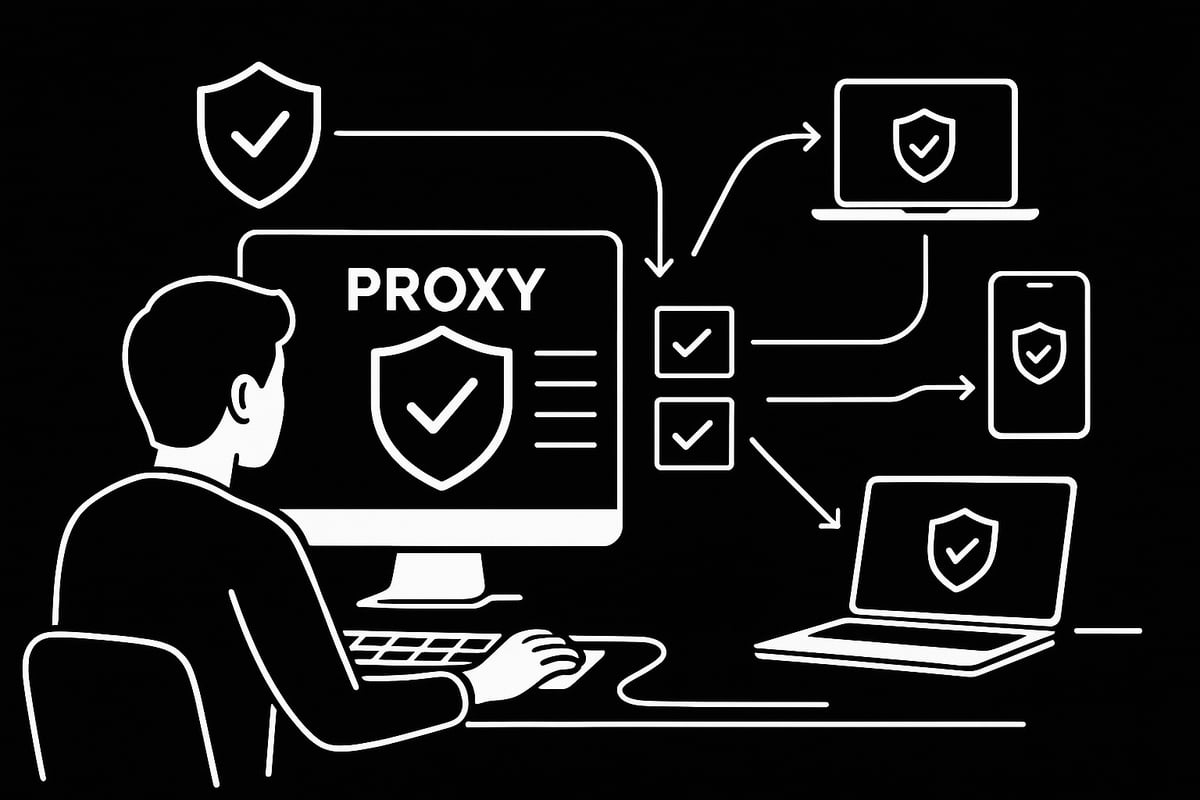
Before you dive into configuring your black proxy, make sure your system meets the basic requirements. Modern proxies support Windows, macOS, Linux, and mobile devices. It's wise to check your device’s compatibility with your chosen proxy software.
Gather these essentials:
- Device with updated OS (Windows 10+, macOS 11+, Android/iOS)
- Reliable internet connection
- Proxy management software (like Proxifier or FoxyProxy)
- Your black proxy credentials
Popular browser extensions, such as FoxyProxy for Chrome or Firefox, make integration simple. Having everything ready will streamline your black proxy setup and reduce potential hiccups.
Acquiring and Authenticating Your Black Proxy
Start by registering with a reputable black proxy provider. During sign-up, you'll likely need to verify your email and sometimes your identity, depending on the provider’s policies.
Once registered, secure your authentication details:
- Whitelist your device’s IP if required
- Generate and store your API keys safely
- Enable multi-factor authentication for added security
Always watch for phishing attempts. Never share your black proxy credentials over unsecured channels. Reliable providers often offer dashboards to manage keys and monitor account activity, which helps keep your access secure.
Configuring Black Proxies on Various Platforms
Now, it’s time to connect your devices to your black proxy. Configuration steps vary by operating system, but the principles remain consistent.
For Windows:
- Go to Settings > Network & Internet > Proxy.
- Enter your black proxy’s IP address and port.
- Save and test the connection.
For macOS:
- Open System Preferences > Network.
- Choose your network, click Advanced, then Proxies.
- Enter the proxy details provided by your black proxy service.
For Linux:
Edit your network configuration file or use a tool like proxychains for CLI applications.
Mobile Devices: Navigate to Wi-Fi settings, select your network, and input the proxy details under advanced options.
You can configure proxies at the browser level for more granular control, or system-wide for all traffic. For a detailed walkthrough, check out this Complete proxy setup tutorial to ensure your black proxy is set up correctly.
Testing, Troubleshooting, and Optimizing Performance
After setup, it’s crucial to verify your black proxy is active and secure. Use online tools like whoer.net or ipleak.net to confirm your IP address has changed and no DNS leaks exist.
Speed testing tools measure latency and bandwidth. If you encounter issues like connection drops or failed authentication, double-check your credentials, proxy server address, and network settings.
To optimize performance:
- Rotate IPs regularly
- Use load balancing features if available
- Monitor for unusual activity, which can indicate a problem with your black proxy provider
Address errors promptly to maintain a smooth experience.
Maintenance and Best Practices
Consistent maintenance keeps your black proxy secure and reliable. Update your proxy lists and credentials regularly to avoid expired or compromised access.
Monitor usage for any suspicious activity. Always store API keys and login details in a password manager, not in plain text files.
Follow a routine security checklist:
- Change passwords periodically
- Review provider security updates
- Audit device access logs
With the right habits, your black proxy will remain a powerful tool for privacy and unrestricted access.
Advanced Use Cases and Strategies for Black Proxies
Exploring advanced strategies unlocks the full potential of any black proxy. With the right techniques, users can achieve seamless scraping, access restricted content, protect privacy, automate critical tasks, and even improve gaming or streaming performance. Let’s break down how black proxies are transforming digital operations in 2025.
Web Scraping and Data Collection
A black proxy is a critical tool for large-scale web scraping and data extraction projects. By rotating IP addresses, users can collect information from public sites without triggering blocks or CAPTCHAs. This is especially important for e-commerce price tracking and competitor research.
To maximize black proxy effectiveness in scraping, integrate it with automation tools and rotate IPs frequently. Always respect site terms and legal boundaries. For example, a retailer might use black proxy pools to monitor thousands of product prices in real time, ensuring competitive positioning.
Bypassing Geo-Restrictions and Censorship
Unlocking region-locked content and bypassing censorship is another powerful use case for a black proxy. Journalists and researchers often rely on proxies to access information restricted in certain countries. Gamers and streamers also use black proxy services to join international servers or unlock exclusive content libraries.
Demand for black proxy solutions is especially high in regions with strict internet controls. In 2024 and 2025, more users are turning to black proxy networks to maintain open access to global information, entertainment, and communication platforms.
Privacy Protection for Individuals and Businesses
A black proxy shields both personal and business identities online. By masking IP addresses, it prevents advertisers and trackers from profiling user behavior. Corporations leverage black proxy infrastructure to secure R&D activities, protect sensitive communications, and comply with privacy regulations like GDPR and CCPA.
Individuals use black proxy tools to keep browsing habits private and avoid targeted advertising. For businesses, regularly rotating proxies and monitoring access logs are essential best practices for maintaining digital confidentiality.
Automation, Bots, and SEO Monitoring
Digital marketers and agencies depend on black proxy setups for safe and scalable automation. These proxies allow for reliable rank tracking, ad verification, and management of multiple accounts without risking bans. However, bot detection systems are growing smarter, so using advanced black proxy techniques like rapid IP rotation and session control is vital.
For example, a marketing agency might deploy a black proxy network to track search engine results across various regions, ensuring accurate SEO insights for clients. Careful proxy management reduces the risk of detection and maintains campaign effectiveness.
Gaming and Streaming Applications
The gaming and streaming industries are seeing a surge in black proxy adoption. Gamers use black proxy services to reduce latency, avoid IP bans, and participate in tournaments on international servers. Streamers rely on proxies to access geo-restricted content, expanding their viewing options.
Recent statistics show a notable increase in black proxy usage among gamers in 2024. For those seeking to bypass regional restrictions or improve connection speeds, a black proxy is becoming the go-to solution for uninterrupted entertainment experiences.
PinguProxy: High-Speed, Secure Black Proxy Solutions for 2025
PinguProxy is a leading provider of black proxy solutions, offering both datacenter and mobile proxies with support for IPv4 and IPv6. Key features include a strict zero-log policy, 1ms proxy rotation, and blazing 10Gbps bandwidth, ensuring top-tier performance and privacy.
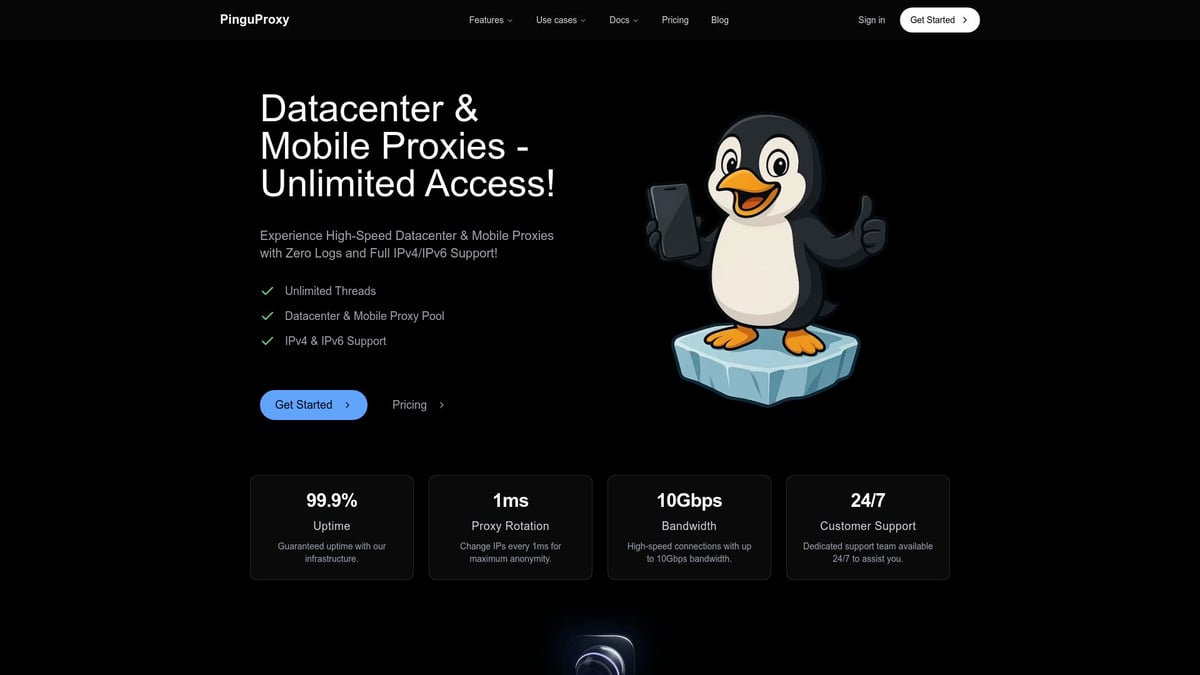
PinguProxy is ideal for advanced use cases like web scraping, gaming, and accessing restricted services. Users benefit from responsive customer support and robust privacy guarantees. In 2025, PinguProxy stands out as a reliable choice for anyone seeking a high-speed, secure black proxy experience.
Legal, Ethical, and Security Considerations for Black Proxy Usage
Navigating the world of black proxy usage requires more than just technical know-how. You need to understand legal, ethical, and security implications to stay safe and compliant. This section will break down what you need to know for 2025 and beyond.
Understanding Legal Boundaries
The legal landscape for black proxy usage varies across regions. In the United States, using a black proxy is generally legal for privacy or business reasons. However, using proxies for illegal activities, such as unauthorized data access, can lead to prosecution. The European Union enforces strict privacy and cybersecurity laws. Proxy use is permitted, but data protection rules like GDPR apply. In Asia, regulations differ widely, with some countries heavily restricting proxy services.
It is vital to review terms of service for any website or platform you access with a black proxy. Several high-profile legal cases have shown that using proxies to bypass restrictions can result in lawsuits or account bans. Always check local laws and stay informed about changes.
Ethical Use of Black Proxies
Responsible use of black proxy services goes beyond legality. Ethical considerations mean avoiding activities like spamming, hacking, or scraping sensitive data. Both individuals and businesses should commit to fair use policies and respect digital boundaries.
Industry codes of conduct are emerging to guide ethical proxy practices. For an in-depth look at responsible proxy usage, check out this Ethical proxy usage best practices guide. It covers scenarios and practical steps to ensure your black proxy use remains on the right side of ethics. Following these guidelines helps maintain the integrity of proxy networks and supports a safer digital ecosystem.
Security Risks and Mitigation Strategies
Using a black proxy can introduce security risks if you are not careful. Threats include malware-infected proxies, data interception, and exposure to honeypot proxies set up by malicious actors. These risks can compromise your privacy, data, and devices.
To mitigate these dangers, always vet proxy providers for transparency and security credentials. Look for features like strong encryption, leak protection, and regular third-party audits. Real-world incidents have shown that relying on unknown providers can lead to breaches, so prioritize trusted services. Regularly update your credentials and monitor for any suspicious activity while using a black proxy.
Data Privacy and Compliance
Protecting user data is a top priority when deploying a black proxy. Regulations such as GDPR in Europe and CCPA in California set strict standards for data handling. Users must ensure that any collected or transmitted data through proxies is managed responsibly.
A compliance checklist should include reviewing provider policies, securing consent where required, and enabling data minimization. Businesses using black proxy services for research or automation must be especially vigilant about regulatory requirements. By maintaining clear records and respecting privacy laws, you can avoid costly penalties and reputational harm.
Future Regulatory Trends and Predictions
The black proxy landscape is evolving as new laws and technologies emerge. Experts predict increased regulation and enforcement in 2025, particularly around data privacy and automated traffic. AI-driven monitoring tools are making it easier for regulators to detect unauthorized proxy use.
Decentralized proxies and blockchain-based solutions may offer new compliance and transparency benefits. Industry forecasts suggest that proxy users should stay informed through community forums and legal updates. By adapting your black proxy strategies to regulatory shifts, you can remain compliant and ahead of the curve.
The Future of Black Proxies: Trends and Innovations
The world of black proxy technology is evolving rapidly, setting the stage for unprecedented privacy and access in 2025. As digital threats grow and online restrictions tighten, black proxy solutions are adapting with smarter tools and strategies. Let’s dive into the innovations shaping the future and what they mean for users.
Evolving Technologies and Protocols
The black proxy landscape is experiencing a surge in technological advancements. IPv6 adoption is rising, offering a nearly limitless address pool and reducing the risk of IP bans. Next-generation encryption protocols are being integrated, ensuring that user data remains shielded from prying eyes.
AI-driven proxy management tools are now automating tasks like IP rotation and anti-detection, making black proxy usage smoother and more resilient. Developers are experimenting with stealth techniques to bypass increasingly sophisticated detection systems. For example, some emerging proxy software leverages machine learning to mimic human browsing patterns, making identification even harder.
Market Growth and User Adoption
The demand for black proxy services is soaring, with the global market projected to reach new heights by the end of 2025. Key industries fueling this expansion include finance, cybersecurity, e-commerce, and digital marketing. Regional adoption is especially strong in North America and Asia, where businesses and individuals seek reliable ways to navigate internet restrictions.
According to The Best Proxy Providers in 2025 - Reviewed & Ranked!, top-rated providers are pushing the boundaries with larger IP pools and enhanced privacy commitments. As more organizations recognize the value of black proxy solutions, user adoption rates are expected to climb steadily.
Challenges and Opportunities Ahead
While black proxy technology is advancing, so too are the defenses against it. Anti-proxy measures are becoming more sophisticated, using advanced algorithms to detect and block proxy traffic. This raises challenges for both individual users and businesses relying on black proxy networks for anonymity.
On the flip side, innovation is thriving. Decentralized proxy networks and blockchain-based authentication are creating new opportunities for secure and transparent access. Startups are entering the space with creative solutions designed to outpace detection and keep users ahead of the curve. Those who embrace these innovations will be well-positioned for the future.
Expert Tips for Staying Ahead in 2025
To make the most of black proxy technology in 2025, continuous learning is key. Stay connected with online forums, developer communities, and industry blogs to keep up with emerging threats and best practices. Regularly update your proxy management tools and monitor for new AI-driven features.
Building a resilient black proxy strategy means staying proactive. Test new providers, diversify your proxy sources, and always prioritize security. By remaining adaptable and informed, you’ll ensure your online operations remain private, efficient, and future-proof.Now that you’ve got a solid understanding of black proxies - from what they are and how they work, to choosing the right provider and staying secure - you’re ready to take your privacy and online freedom to the next level in 2025. Whether you’re looking to protect your personal data, scale your business operations, or simply enjoy unrestricted internet access, the right tools make all the difference. If you’re ready to put this knowledge into action and experience high speed, secure browsing with total peace of mind, Get Started Now.