
Curl Socks5 Proxy Guide: Secure Connections Made Easy 2025
Online privacy is more critical than ever as 2025 brings new challenges to secure and anonymous browsing. With more people seeking ways to protect their identity and data, finding simple, effective solutions is a top priority.
This guide will show you how to master the curl socks5 proxy method, making secure connections accessible for everyone, regardless of technical background.
You will learn the essentials of SOCKS5 proxies, why Curl is a powerful tool for privacy, and step-by-step instructions to get started. We will also cover troubleshooting tips, advanced security techniques, and expert best practices to keep your browsing safe.
Ready to take control of your digital privacy? Let's dive in and make secure, anonymous internet access easy.
Understanding SOCKS5 Proxies and Curl
The internet in 2025 is a landscape where privacy, security, and freedom of access are more important than ever. For anyone looking to keep their browsing anonymous or bypass restrictions, understanding how a curl socks5 proxy works is essential. Let's break down the technology, its advantages, and why Curl is a top choice for secure connections.
What is a SOCKS5 Proxy?
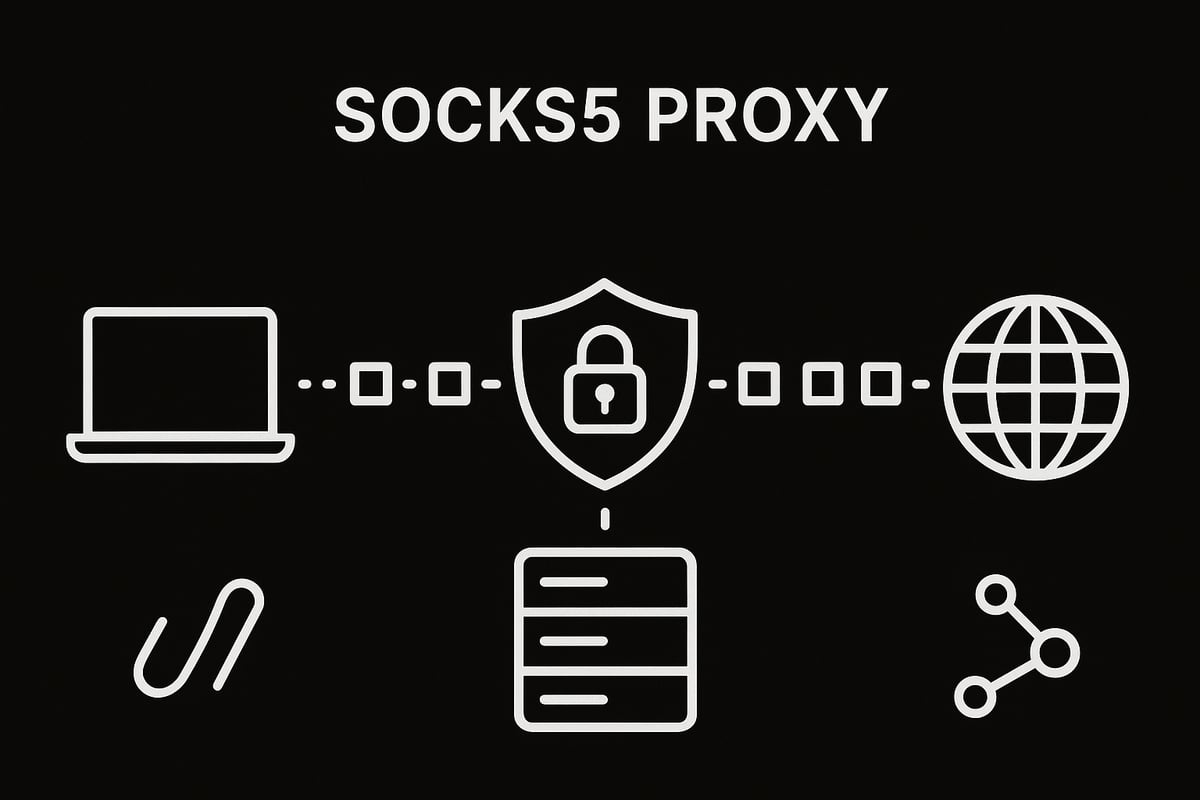
A SOCKS5 proxy is a type of internet protocol that routes your network traffic through a remote server, masking your original IP address. Unlike HTTP or HTTPS proxies, SOCKS5 operates at a lower level, meaning it is protocol-agnostic and can handle any kind of traffic, including TCP and UDP.
One standout benefit of the SOCKS5 protocol is its support for UDP, which enables faster and more flexible data transfers. This makes it a favorite for applications like gaming, P2P, and streaming, where speed and real-time communication matter. Additionally, SOCKS5 offers enhanced anonymity because it does not inspect or modify your data packets, reducing the risk of leaks.
Here’s a quick comparison:
| Feature | SOCKS5 Proxy | HTTP/HTTPS Proxy |
|---|---|---|
| Protocol Agnostic | Yes | No |
| Supports UDP | Yes | No |
| Data Inspection | No | Sometimes |
| Use Cases | Web, P2P, Games | Web Only |
| Anonymity Level | High | Moderate |
SOCKS5 is widely used for bypassing geo-restrictions, web scraping, and securing online activities. A real-world scenario: if you are trying to access content blocked in your region, setting up a curl socks5 proxy lets you appear as if you are browsing from another location.
Security is a core strength. SOCKS5 proxies do not log or filter your traffic, minimizing data exposure. Industry estimates show that SOCKS5 proxies are used in over 40% of anonymization scenarios online. For a deeper dive, check out What is a SOCKS5 Proxy? for more technical details.
Why Use Curl with SOCKS5 Proxies?
Curl is a powerful command-line tool designed for transferring data over various protocols. Its native support for SOCKS5 proxies makes it a go-to solution for secure data transfers and anonymous browsing. Whether you are on Linux, Windows, or macOS, Curl is available and works seamlessly across platforms.
With curl socks5 proxy support built in, you can automate secure connections for tasks like downloading files, scraping websites, or testing APIs. Curl’s flexibility is a major reason it is popular with developers, system administrators, and privacy advocates alike.
Here is a basic example of using Curl with a SOCKS5 proxy:
curl --socks5 127.0.0.1:1080 https://example.com
This command routes your request through a SOCKS5 proxy running locally. You can also use authentication and advanced options for more complex workflows. Curl’s SSL/TLS capabilities, when paired with a SOCKS5 proxy, maximize both encryption and anonymity.
Curl comes pre-installed in over 90% of Linux distributions, making it accessible for most users. Automating HTTPS requests via a curl socks5 proxy not only secures your data but also ensures you stay private online.
The combination of Curl and SOCKS5 proxies is a smart strategy for anyone serious about online security and privacy. Together, they offer a robust, cross-platform toolkit for mastering secure internet access.
Preparing Your Environment for Curl SOCKS5 Proxy Usage
Getting ready to use a curl socks5 proxy is the foundation for a secure and seamless browsing experience. Before diving into command lines and requests, it is crucial to prepare your system and network for optimal performance and privacy.
System Requirements and Prerequisites
To run a curl socks5 proxy setup, first check your operating system compatibility. Curl supports Linux, Windows, and macOS. Ensure you have administrative permissions, as you may need to update software or adjust network settings.
Before configuring curl socks5 proxy, verify your proxy server’s IP address and port, along with any required username and password. Double-check this information with your provider. A misstep here can lead to failed connections or authentication errors.
Check your network environment. Firewalls, VPNs, and DNS settings can interfere with curl socks5 proxy connections. For example, if your DNS requests are not routed properly, you risk exposing your real IP address. To avoid DNS leaks, consider configuring your system resolver or using Curl’s --socks5-hostname flag, which routes DNS queries through the proxy.
A common real-world scenario is using Tor as a curl socks5 proxy endpoint. Tor provides a local SOCKS5 service, making it easy to anonymize your traffic with Curl. According to industry data, over 70 percent of proxy failures stem from misconfigured environments, so double-check every detail before proceeding.
Installing and Updating Curl
Installing and updating Curl is straightforward but vital for reliable curl socks5 proxy use. On Linux, use your package manager. For Ubuntu or Debian, run:
sudo apt update
sudo apt install curl
On CentOS or Fedora:
sudo yum install curl
For macOS, Homebrew is the easiest way:
brew install curl
Windows users can download the installer from Curl’s official site and follow the setup prompts.
Once installed, check your Curl version with curl --version. SOCKS5 support is built into most recent releases, but staying updated ensures compatibility and security. If needed, update Curl using your system’s package manager or installer.
After installation, verify everything is working by running a basic command, such as curl https://example.com. If you encounter issues, they are often related to permissions, missing dependencies, or network restrictions. For in-depth troubleshooting, refer to Troubleshooting Proxy Connection Issues, which offers practical solutions for common Curl and SOCKS5 proxy problems.
A quick checklist:
- Confirm Curl is installed and up to date.
- Validate proxy credentials and network settings.
- Test basic Curl commands before adding SOCKS5 options.
With this groundwork, you are ready to explore the secure world of curl socks5 proxy browsing.
Step-by-Step Guide: Using Curl with a SOCKS5 Proxy
Setting up secure connections with the curl socks5 proxy method is easier than you might think. This guide will walk you through each step, from basic commands to advanced options and troubleshooting. Whether you're a beginner or a seasoned user, following these steps will help you master the curl socks5 proxy for secure and private browsing.
Basic Syntax and Parameters
To use the curl socks5 proxy, start by understanding the basic command structure. The essential syntax looks like this:
curl --socks5 [proxy_host]:[proxy_port] [URL]
Let’s break down the main parameters:
--socks5: Routes all traffic through the specified SOCKS5 proxy.--socks5-hostname: Ensures DNS requests are also sent through the proxy, preventing leaks.--proxy-user: Adds authentication if your proxy requires a username and password.
For example, to fetch a web page via a SOCKS5 proxy:
curl --socks5 127.0.0.1:9050 https://example.com
If you need authentication:
curl --socks5 127.0.0.1:9050 --proxy-user user:pass https://example.com
Want to see details of your request? Use verbose mode:
curl --socks5 127.0.0.1:9050 -v https://example.com
To download a file through a curl socks5 proxy, simply add the -O flag:
curl --socks5 127.0.0.1:9050 -O https://example.com/file.zip
If you don’t have a proxy yet, check out the Best Free SOCKS5 Proxy Options to get started quickly. These basic commands are the foundation for using curl socks5 proxy securely and efficiently.
Advanced Usage and Options
Curl socks5 proxy offers much more than just basic web requests. For increased privacy, use --socks5-hostname to force DNS lookups through the proxy:
curl --socks5-hostname 127.0.0.1:9050 https://example.com
This is crucial for preventing DNS leaks that could expose your browsing activity. You can also combine curl socks5 proxy with other powerful features:
- Custom headers:
-H "User-Agent: CustomAgent" - Cookies:
-b cookies.txt - Change user agents to mimic different browsers
- Save outputs to files or pipe to other commands
Automate requests by placing curl socks5 proxy commands in scripts. For example, web scraping multiple pages:
for url in $(cat urls.txt); do
  curl --socks5-hostname 127.0.0.1:9050 "$url" -O
done
Always use HTTPS with your curl socks5 proxy for end-to-end encryption. This ensures your data stays private, even as it passes through the proxy server.
There’s a tradeoff between DNS resolution speed and privacy. Local DNS is faster, but proxy DNS is safer. Test both to find what works best for your needs.
Troubleshooting Common Issues
Even with the right curl socks5 proxy setup, issues can arise. Here are some common problems and solutions:
- Failed to resolve host: Check your proxy settings and try using
--socks5-hostnameto route DNS through the proxy. - Connection refused: Make sure the proxy server is running and the IP/port are correct.
- Authentication errors: Double-check your
--proxy-usercredentials. - DNS leaks: Use external tools to confirm your DNS requests are not leaking outside the proxy. Only use
--socks5-hostnamefor full protection. - Firewall or network blocks: Ensure your firewall allows outbound connections on the proxy port.
Use verbose mode (-v) to analyze logs and pinpoint where the connection fails. If you see recurring errors, review your environment setup, credentials, and network access.
If you continue to encounter issues, try switching to a different proxy or test your setup with a known working curl socks5 proxy. Sometimes, persistent failures are due to server-side restrictions or outdated curl versions.
With these troubleshooting tips, you’ll be able to identify and fix most problems in your curl socks5 proxy workflow.
Enhancing Security and Privacy with SOCKS5 Proxies
The curl socks5 proxy setup is powerful, but true privacy means more than just routing traffic. To get the most out of your proxy, you need to address potential leaks and maximize your anonymity at every layer. Let’s break down the essential steps and tools you need for airtight protection.
Preventing DNS and IP Leaks
When you use a curl socks5 proxy, your real IP and DNS requests can still leak if you’re not careful. These leaks often occur because DNS queries are made outside the proxy, revealing your activity to your ISP or network admin.
To prevent this, always use the --socks5-hostname parameter instead of just --socks5. This ensures that Curl resolves domain names through the proxy, keeping your DNS requests private.
curl --socks5-hostname 127.0.0.1:9050 https://example.com
If you use only --socks5, DNS resolution happens locally, which can expose your browsing. By configuring your system DNS settings to use privacy-focused resolvers, you add another layer of protection.
Testing for leaks is simple with tools like https://ipleak.net or by running:
curl socks5 proxy https://api.ipify.org
First, check your IP without the proxy, then with it. If the IP changes, your curl socks5 proxy is working. But if your DNS requests still go through your ISP, you have a leak. Industry data shows DNS leaks are responsible for 60 percent of proxy-based identity exposures.
Checklist to prevent leaks:
- Use
--socks5-hostnamefor all requests - Set system DNS to a secure resolver
- Regularly test for DNS and IP leaks
- Check verbose Curl output for anomalies
By following these steps, your curl socks5 proxy setup will be much more secure and private.
Using Curl with Tor for Maximum Anonymity
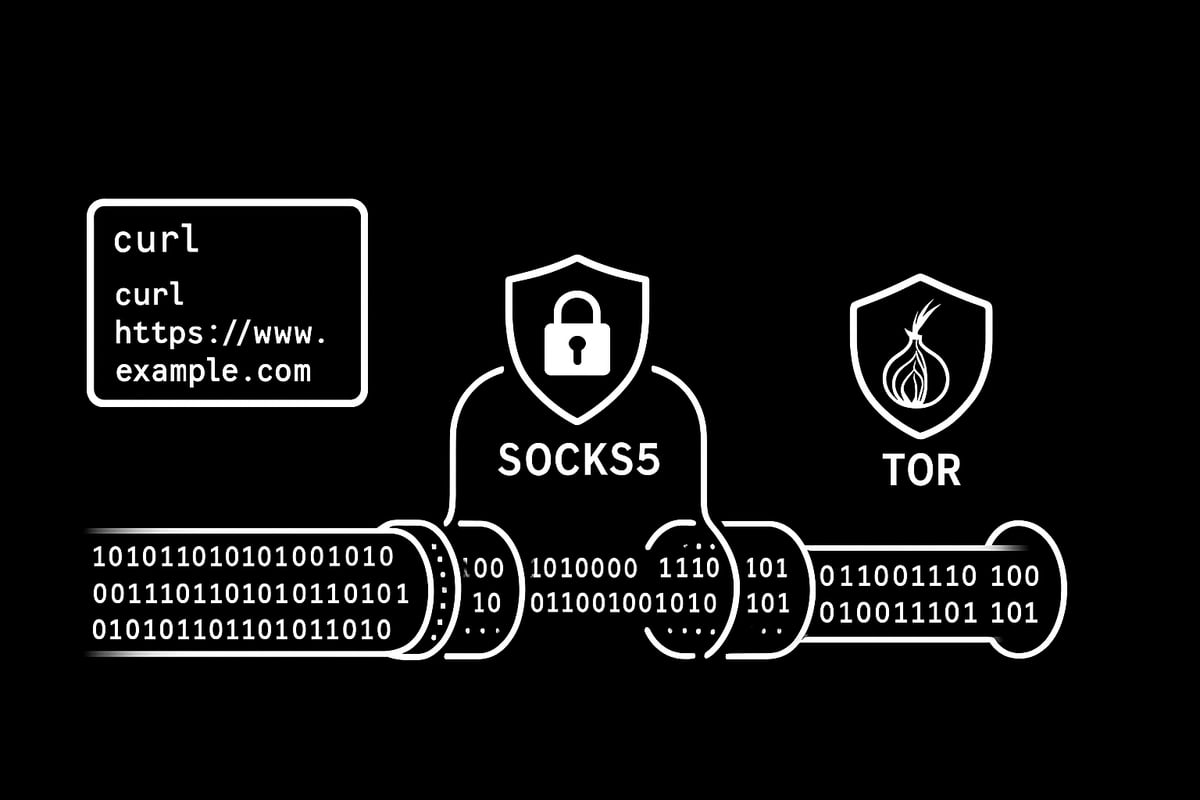
For users seeking the highest level of anonymity, routing Curl through the Tor network is a game changer. Tor acts as a local SOCKS5 proxy, wrapping your traffic in multiple encryption layers and bouncing it through volunteer-run nodes worldwide.
To use Curl with Tor, first launch the Tor service locally (often at 127.0.0.1:9050). Then, direct your curl socks5 proxy traffic through it:
curl --socks5-hostname 127.0.0.1:9050 http://check.torproject.org
Want to access .onion sites? Just use the same command with the .onion URL. This method keeps your IP hidden and your browsing anonymous, though it may slow down performance slightly due to Tor’s layered encryption.
Tor combined with a curl socks5 proxy is ideal for bypassing censorship and accessing restricted content. However, some services block Tor exit nodes, so results may vary.
Security insights:
- Tor’s design prevents any single node from knowing both your source and destination.
- Curl’s verbose mode helps diagnose if traffic is routed correctly.
- Always use HTTPS when possible, even over Tor, for extra encryption.
While performance may dip, the privacy benefits are significant. For more on the adoption of SOCKS5 proxies with Curl, check the cURL User Survey Analysis 2025, which details how privacy advocates rely on these tools for secure connections.
Combining Curl, SOCKS5, and Tor empowers you to browse, scrape, or automate tasks with maximum privacy and control.
Best Practices and Expert Tips for Curl SOCKS5 Proxy Usage
In the world of secure connections and privacy, following best practices with curl socks5 proxy usage is crucial. Whether you are scraping data, automating tasks, or just browsing, optimizing your setup ensures smooth and reliable results. Let’s explore how to maximize performance and maintain ethical standards using curl socks5 proxy in 2025.
Optimizing Performance and Reliability
Getting the most out of your curl socks5 proxy setup starts with choosing the right proxy server location. Proximity to your target site can lead to lower latency and faster data transfers. Use this table to compare potential benefits:
| Proxy Location | Typical Latency | Use Case Example |
|---|---|---|
| Local Region | Low | Fast web scraping |
| Overseas | Higher | Geo-unblocking content |
Rotating proxies is essential for large-scale data scraping or automation. By using a pool of proxies, you can distribute requests, minimize bans, and maintain consistent access. Consider automating error handling and retries in your Curl scripts to ensure that temporary failures do not halt your workflow.
- Choose a proxy provider that offers high uptime, ideally 99.9 percent or better.
- Monitor bandwidth and connection quality regularly.
- Limit your request rates to avoid triggering anti-bot systems or getting IPs banned.
For advanced users, leveraging SOCKS5 Proxy Performance Benchmarks helps you select proxies that can handle high throughput under heavy load. Always verify your Curl version supports the latest SOCKS5 features for maximum reliability.
When using curl socks5 proxy in distributed scraping, try scripts like:
curl --socks5 [proxy_ip]:[port] [URL] --retry 5 --max-time 15
This approach ensures your requests are resilient and efficient.
Staying Compliant and Ethical
Using curl socks5 proxy comes with responsibilities. Always understand the legal and ethical considerations before deploying proxies for automation or data collection. Respect the target site's terms of service and observe their robots.txt directives to avoid unintended violations.
- Never use proxies for malicious activities or to circumvent legitimate access controls.
- Limit the amount and frequency of requests to maintain fair use.
- Ensure all data handling complies with privacy regulations, such as GDPR.
When dealing with personal data, transparency is key. Inform users or stakeholders about proxy use in your operations. The distinction between legitimate and malicious proxy use often lies in intent and compliance. For example, scraping publicly available data for research is typically acceptable, while evading bans for spamming is not.
If you want to enhance privacy, consider Residential SOCKS5 Proxies Explained for insights into advanced proxy types that offer greater anonymity and compliance with tougher restrictions.
By following these practices, you maximize the benefits of curl socks5 proxy while upholding ethical standards. Stay informed, document your processes, and always prioritize responsible proxy usage.
Future Trends: Curl, SOCKS5 Proxies, and Secure Internet Access in 2025
The landscape of secure internet access is evolving rapidly, and the curl socks5 proxy is at the heart of these changes. As privacy and performance become top priorities, both proxy technology and Curl are adapting to new demands. Let’s explore what the future holds for curl socks5 proxy usage and how you can stay ahead.
Evolving Proxy Technologies
SOCKS5 proxies are set to become even more versatile in 2025. Expect support for advanced protocols like IPv6 and QUIC, boosting both speed and reliability for curl socks5 proxy users. AI-driven proxy management will help automate threat detection, optimize routing, and intelligently rotate proxies for better performance.
Mobile and residential proxies are gaining ground, especially as more users seek to bypass geo-restrictions or avoid detection. Enterprises are orchestrating vast proxy pools for automation and large-scale scraping, relying on curl socks5 proxy for secure, scriptable data access.
To put this growth in perspective, global proxy usage is projected to climb by 25% annually through 2025. For comparison, VPN adoption remains strong and is tracked in resources like VPN Usage Statistics 2025, showing how both technologies are essential for a secure internet experience.
Here's a quick comparison of proxy trends:
| Trend | Impact on curl socks5 proxy usage |
|---|---|
| IPv6/QUIC support | Faster, more reliable connections |
| AI integration | Smarter, safer proxy management |
| Mobile/residential rise | More access points, better anonymity |
| Enterprise orchestration | Scalable, automated proxy control |
With these advances, the curl socks5 proxy will remain a key player in privacy and automation.
The Expanding Role of Curl in Security and Automation
Curl is evolving to meet the demands of a more secure and automated web. Upcoming features in its roadmap will make curl socks5 proxy integration even smoother, with enhanced support for emerging protocols and security standards.
Developers and cybersecurity professionals are increasingly adopting curl socks5 proxy in DevOps pipelines, automated compliance checks, and data science workflows. The flexibility of Curl, combined with the anonymity of SOCKS5, allows teams to automate secure HTTP requests, test network defenses, and collect data without exposing their IP or sensitive information.
A practical example is using curl socks5 proxy in scripts that routinely audit external APIs for compliance or gather intelligence on potential threats. Predictably, as automation becomes more mainstream, curl socks5 proxy will be central to maintaining privacy and security.
To keep up with these changes, always review Curl and proxy provider documentation for updates. Staying informed will help you leverage every new feature and ensure your curl socks5 proxy setup stays robust and future-proof.Whether you’re just starting out with Curl and SOCKS5 proxies or looking to take your secure connections to the next level, now’s the perfect time to put what you’ve learned into action. With PinguProxy’s lightning-fast datacenter and mobile proxies, zero-log privacy, and seamless IPv4/IPv6 support, you’re set up for success - whether you’re scraping data, gaming, or accessing content worldwide. Plus, you get reliable 24/7 support and advanced features like 1ms proxy rotation for true anonymity. Ready to experience fast, private, and hassle-free connections? Get Started Now and take control of your online privacy today!