
Proxy Bypass Guide: Secure Access Solutions for 2025
As internet restrictions become more advanced in 2025, both individuals and businesses are facing new challenges in keeping their online activities secure and private. The landscape is shifting quickly, with stricter controls and smarter firewalls making it harder to access information freely.
This guide is here to help you navigate these changes with the latest proxy bypass techniques and secure access solutions. You will learn the essentials, discover top tools and strategies, explore security considerations, and see how real-world users stay ahead of restrictions.
Ready to take control of your online experience? Let’s dive into the world of proxy bypass and unlock secure, unrestricted access.
Understanding Proxy Servers and Internet Restrictions
Navigating the modern web means dealing with layers of access controls. Proxy bypass strategies are now essential for users and organizations seeking secure, reliable connectivity. Understanding how proxies work, why restrictions are on the rise, and the legal landscape sets the foundation for making informed decisions about proxy bypass tools and tactics.
What Is a Proxy Server?
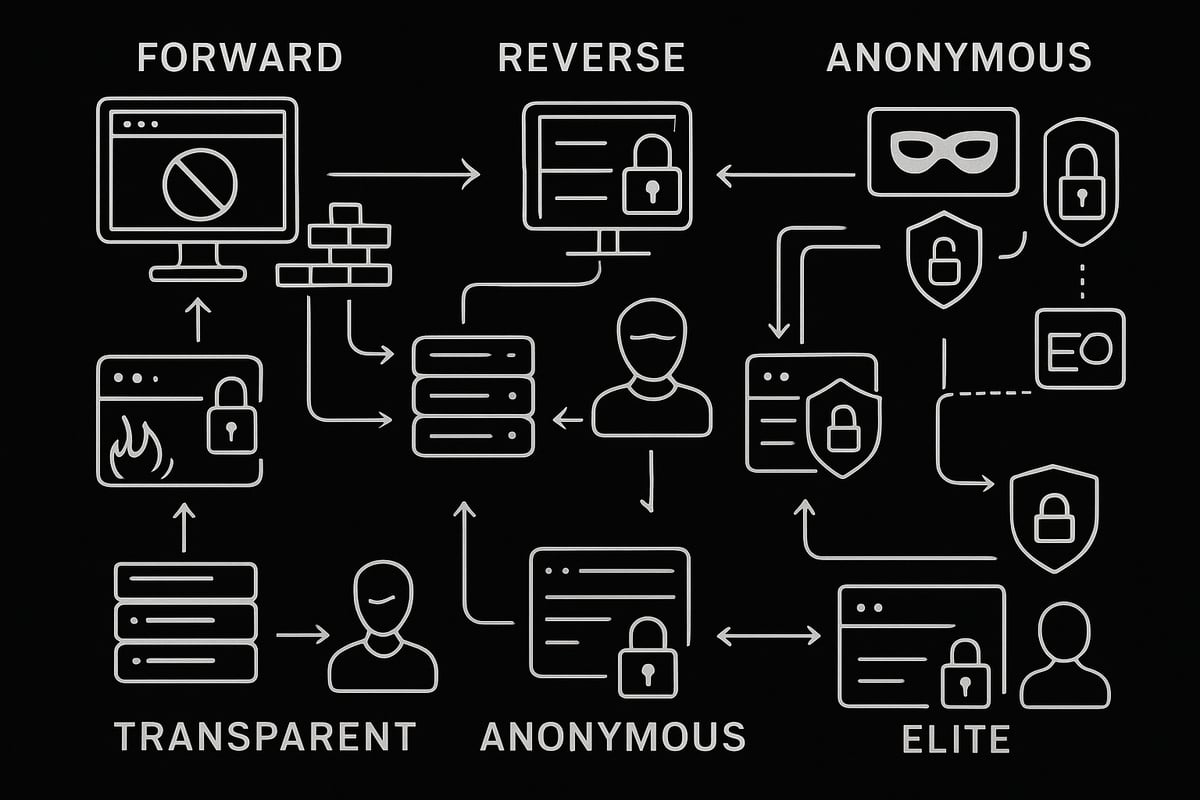
A proxy server acts as an intermediary between your device and the internet. Its core function is to forward requests from users to the web and return the results. There are several types of proxies, including forward, reverse, transparent, anonymous, and elite proxies. Each serves unique roles in privacy, filtering, and access control.
| Proxy Type | Main Use | Privacy Level |
|---|---|---|
| Forward | Outbound requests | Moderate |
| Reverse | Inbound traffic control | Low |
| Transparent | Filtering, caching | Low |
| Anonymous | Hiding IP addresses | High |
| Elite | Maximum anonymity | Very High |
For example, companies often deploy proxies to filter employee internet access. Proxies are not just tools for restriction, but also for privacy and performance. For a deeper dive into these types, see Types of Proxy Servers Explained. Understanding these distinctions is crucial for effective proxy bypass.
Why Internet Restrictions Are Increasing in 2025
In 2025, internet restrictions have become more complex. Organizations and governments are ramping up measures like geo-blocking, censorship, and strict workplace controls. Data shows a marked increase in global internet filtering and corporate blocks, especially through Group Policy Objects and advanced firewall rules.
Common motivations include improving security, ensuring compliance, boosting productivity, and managing content licensing. For instance, schools and workplaces are tightening controls with multi-layered proxies. As restrictions become more adaptive, the need for proxy bypass solutions grows. Users must adapt quickly to maintain secure and open access.
How Proxies Can Be Bypassed - An Overview
Proxy bypass refers to any method used to circumvent network restrictions enforced by proxy servers. The goal might be legitimate, such as accessing research material, or unauthorized, like streaming entertainment at work. Users employ a range of proxy bypass techniques, from manual settings changes to advanced tunneling tools.
However, bypassing controls carries risks. Detection can lead to disciplinary action or loss of access. For example, employees sometimes reach blocked content despite strict GPO settings, prompting IT to tighten security further. This ongoing proxy bypass battle keeps both users and administrators on their toes, always seeking the next advantage.
Key Legal and Ethical Considerations
Navigating the world of proxy bypass comes with legal and ethical responsibilities. Laws often prohibit unauthorized attempts to circumvent network controls, and violating corporate policies can result in penalties or even legal action. User agreements typically spell out acceptable use, making it vital to review before attempting any proxy bypass.
Ethically, bypassing for privacy or research might be justified, but breaking policies for personal gain is risky. For example, HR and IT departments now work closely to enforce proxy policies, responding to a rise in legal actions related to unauthorized bypass. Understanding these boundaries is essential for responsible, compliant proxy bypass.
Common Proxy Bypass Techniques and Tools
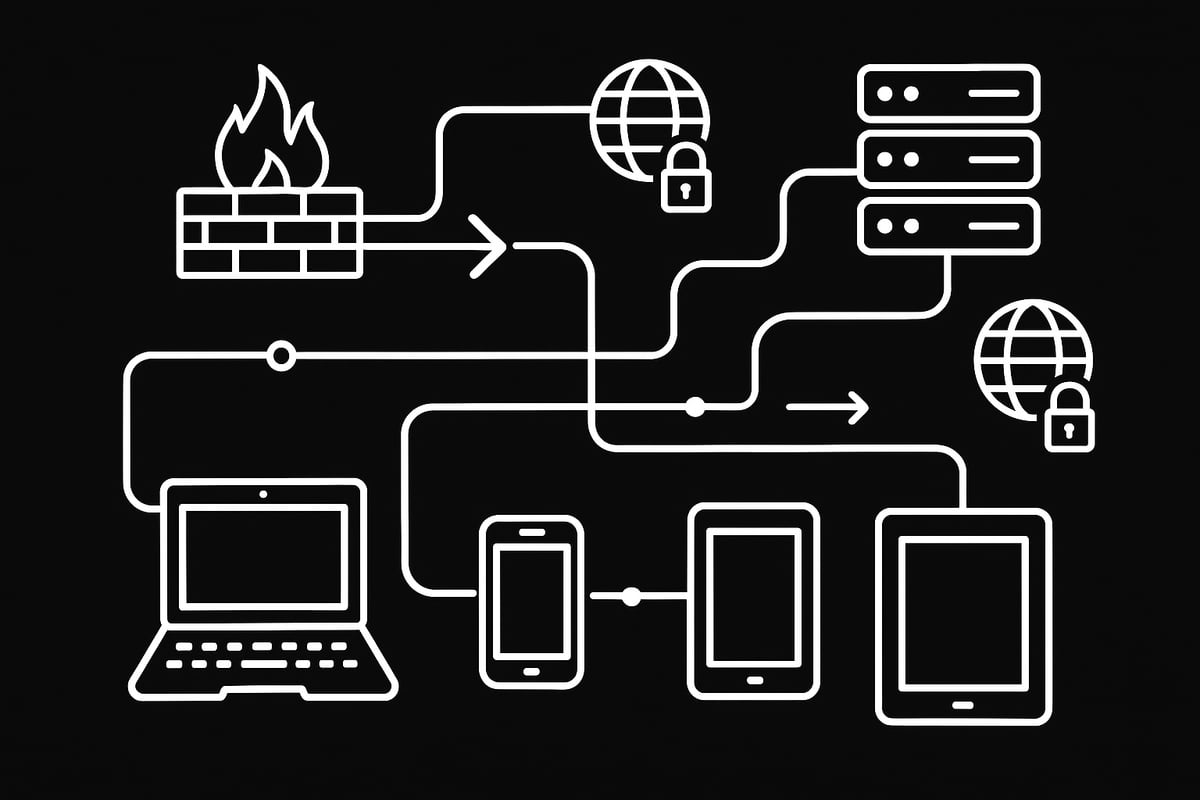
Navigating internet restrictions in 2025 requires a strong understanding of proxy bypass strategies. From manual tweaks to advanced tools, users have developed a toolkit to access blocked content securely. Let’s break down the most effective proxy bypass methods used today.
Manual Configuration Methods
One of the simplest proxy bypass techniques involves changing settings directly in your browser or operating system. Users often adjust proxy configurations in browser menus or system network panels, aiming to redirect traffic around restrictions.
For example, in Internet Explorer, you can update the proxy field under Internet Options. On Linux, environment variables like http_proxy or https_proxy can be set or unset to bypass enforced proxies. Developers working with Git sometimes modify the remote.origin.proxy setting to selectively bypass proxies for certain repositories.
While these manual steps are straightforward, they come with limitations. Proxy bypass through manual changes is easily detected in environments with strict controls. In many corporate settings, Group Policy Objects (GPOs) lock these settings, making this method less effective.
Using Alternative Protocols and Ports
Switching protocols or ports is another classic proxy bypass approach. Many organizations block standard HTTP traffic on port 80 but leave HTTPS (port 443) open for secure communication. By switching to HTTPS, users can often sidestep basic proxy restrictions.
Some users experiment with non-standard ports to evade controls, though modern firewalls are increasingly vigilant. For instance, students may attempt to access blocked sites by using HTTPS, which often escapes notice if GPO rules aren’t up to date.
Despite its simplicity, this proxy bypass method is losing effectiveness as more organizations monitor all traffic, regardless of port. Adaptive firewalls can flag suspicious activity on unusual ports, so this approach is best paired with other techniques.
Anonymizing and Portable Tools
Anonymizing software like UltraSurf, TOR, and portable browsers has gained popularity for proxy bypass. These tools can be run directly from USB drives, making them hard for installed security software to detect or block.
For example, an employee might use UltraSurf from a USB stick to tunnel around GPO-enforced proxies. Portable browsers, such as a portable version of Firefox, can ignore system proxy settings, giving users a direct route to restricted sites.
However, this proxy bypass technique isn’t without risks. Some portable tools are bundled with malware or spyware. There’s also a significant chance of policy violation, and organizations are increasingly deploying endpoint detection to catch unauthorized tools in use.
Web-Based Proxy Services and VPNs
Web-based proxy sites and VPNs are among the most common tools for proxy bypass. Users access a proxy website, enter the desired URL, and the service fetches the page on their behalf, often tunneling traffic to evade local blocks.
VPNs take this further by encrypting all traffic and routing it through remote servers, offering a robust shield against most restrictions. As restrictions tighten, VPN usage has surged globally, with a 30% increase reported in 2025.
For a deeper dive into these methods, check out How to Use Free HTTP Proxies, which explains how free proxies can facilitate proxy bypass while highlighting important limitations. Still, organizations now block many known proxy and VPN IPs, so success depends on choosing less-detectable services.
DNS and Hosts File Manipulation
Altering DNS settings or the local hosts file is another proxy bypass method. By directing your device to use an external DNS server (like 8.8.8.8) or mapping specific proxy addresses in the hosts file, you can sometimes route around enforced controls.
A common example is redirecting traffic to a free proxy by editing the hosts file. This technique can be powerful but introduces risks, such as security vulnerabilities and easy detection if admins monitor for unauthorized changes.
Modern organizations often deploy administrative blocks and monitoring to detect these proxy bypass attempts quickly. While effective in some cases, this method requires technical know-how and carries significant security implications.
Step-by-Step Guide: Safely Bypassing Proxies in 2025
Facing a locked-down network can be frustrating, especially as restrictions become more advanced each year. If you need secure, reliable proxy bypass in 2025, following a structured, informed approach is essential. Here’s a hands-on guide to help you navigate the process, minimize risks, and maintain compliance.
Step 1: Assess Your Environment and Restrictions
Start by analyzing your digital environment before attempting any proxy bypass. Determine whether the restrictions are enforced via browser settings, operating system policies, or network-level controls like firewalls or routers.
Use tools such as traceroute, browser diagnostics, or network analyzers to identify where the block originates. For example, a GPO-enforced proxy might affect all browsers, while router-level filtering could impact every device on the network.
Make a checklist:
- Identify proxy type (forward, reverse, transparent)
- Check for browser or OS-level restrictions
- Note if DNS or hosts file blocks are present
Understanding these details ensures your proxy bypass efforts are targeted and effective.
Step 2: Choose the Most Suitable Bypass Method
Matching the right proxy bypass technique to your environment is crucial. Manual configuration might work for browser-based blocks, while VPNs or SSH tunnels are better for network-level restrictions.
When deciding, consider the legal and ethical implications. Is your goal legitimate, like research or testing, or could it violate policy? Sometimes, switching to SSH for Git access is enough, while other situations require VPNs for complete privacy.
To dive deeper into advanced techniques and practical scenarios, check out Mastering Proxy Servers to Bypass Website Restrictions. This resource offers expert strategies for proxy bypass in modern environments.
Evaluate detection risks, tool reliability, and your own compliance requirements before making a choice.
Step 3: Implement and Test the Bypass Solution
Once you select your proxy bypass method, it’s time to put it into action. Configure your browser, application, or device to use the new settings, proxy tool, or VPN.
Example setup for Git:
git config --global http.proxy ""
git config --global https.proxy ""
After setup, test access to previously restricted sites or services. If you encounter errors, troubleshoot by checking DNS leaks, reviewing proxy logs, or resetting your network adapter. Keep your configurations documented for future reference.
Stay alert for system notifications or warnings, which may indicate detection of your proxy bypass attempt.
Step 4: Secure Your Connection and Maintain Anonymity
Security and privacy are critical when executing a proxy bypass. Always use encrypted connections like HTTPS, VPNs, or SOCKS5 proxies. If possible, rotate your IP addresses and clear browser or application logs regularly.
For sensitive activities, consider TOR or mobile proxies, which offer stronger anonymity. Some premium proxy services provide 1ms IP rotation and zero-log policies, significantly reducing tracking risks.
Quick checklist:
- Enable SSL/TLS wherever possible
- Use services with strict no-log policies
- Rotate IPs to avoid static detection
Taking these steps will help you bypass proxies while safeguarding your identity and data.
Step 5: Monitor for Detection and Update Tactics
Network administrators are constantly updating detection methods to counter proxy bypass efforts. Monitor your network for unusual activity, alerts, or connection drops that might indicate your method has been flagged.
Update your tools and tactics regularly. If you notice that certain VPNs or proxy IPs are blocked, switch to new endpoints or try alternative protocols. Continuous adaptation is the key to staying ahead in the proxy bypass game.
Stay informed about new technologies or policy changes in your environment, and always be ready to pivot your approach.
PinguProxy: Advanced Proxy Solutions for Secure Bypass
PinguProxy stands out for those seeking a robust proxy bypass solution in 2025. With high-speed datacenter and mobile proxies, it offers zero-log privacy, ultra-fast 1ms IP rotation, and support for both IPv4 and IPv6.
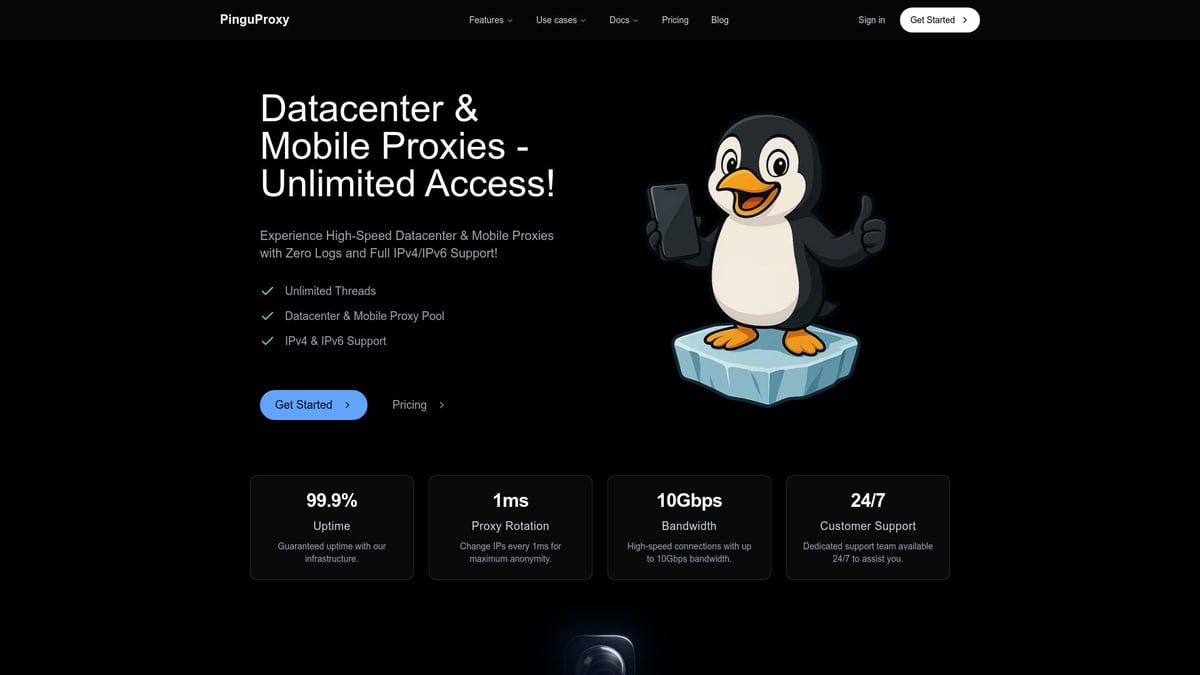
You get unlimited bandwidth and threads, making it ideal for web scraping, gaming, or accessing geo-restricted services. Each plan includes free TOR and mobile proxies, adding extra layers of anonymity.
The user-friendly dashboard and 24/7 support ensure smooth management, even for beginners. Businesses worldwide rely on PinguProxy to maintain secure, compliant access to vital resources, no matter how strict the restrictions.
Security Risks and Best Practices for Proxy Bypass
Navigating proxy bypass in 2025 demands a careful balance of security, privacy, and compliance. While bypassing restrictions can unlock valuable access, it also introduces risks that require proactive strategies and sound judgment.

Potential Security Risks When Bypassing Proxies
Attempting proxy bypass exposes users to a range of security threats. One major risk is malware infection from untrusted proxy or VPN services. Many free or obscure tools may harbor spyware or adware that can compromise your device.
Data interception is another concern, especially if traffic is not properly encrypted. Attackers may capture sensitive information during insecure proxy bypass attempts. Organizational penalties, including account suspension or termination, are also possible if you violate policy.
Recent reports highlight a surge in attacks exploiting proxy bypass methods, particularly through portable tools. Always weigh these risks before proceeding.
Protecting Your Identity and Data
To minimize the dangers of proxy bypass, prioritize reputable, zero-log proxy and VPN providers. Strong encryption, such as SSL/TLS or VPN tunneling, is essential for safeguarding data in transit.
Regularly update your tools to patch vulnerabilities. Employ mobile proxies or rotating IP solutions for added anonymity, making it harder for trackers to follow your activity.
Consider using secure password managers and two-factor authentication when engaging in proxy bypass. These extra layers help shield your identity from both network threats and compromised proxies.
Ensuring Compliance with Policies and Regulations
Before attempting proxy bypass, always review the relevant policies of your organization, school, or region. Many workplaces require explicit approval for bypass, and violating these rules can lead to serious consequences.
Document your need for proxy bypass when it is justified, such as for research or technical testing. Collaboration between HR and IT can help establish compliant exceptions.
For a deeper dive into the ethics and legalities of bypassing network controls, refer to the Ethical Proxy Usage Guidelines. Staying informed and transparent is key to responsible access.
Monitoring and Detection Avoidance
Network administrators employ advanced monitoring to detect proxy bypass attempts. This includes traffic logging, anomaly detection, and static IP tracking. To avoid detection, use encrypted tunnels and rotate IP addresses frequently.
A common tactic is 1ms proxy rotation, which helps users evade static IP-based detection methods. For more on how organizations spot anonymous proxies and how to adapt, see Anonymous Proxy Detection Causes and Fixes.
Continuous vigilance is required, as detection methods evolve rapidly. Update your approach as new proxy bypass detection tools emerge.
Balancing Security, Privacy, and Access
Every proxy bypass attempt presents a trade-off between access and potential risk. Consider whether the benefits outweigh the possible exposure to threats or disciplinary action.
Responsible proxy bypass is crucial for those with legitimate needs, such as journalists or researchers working under restrictive regimes. However, policy violators may endanger themselves and their organizations.
Ultimately, effective proxy bypass demands a thoughtful approach, balancing the desire for freedom with the obligation to uphold security and compliance.
Real-World Use Cases and Future Trends in Secure Access
As the digital landscape shifts, the need for effective proxy bypass solutions has never been greater. From businesses to individual users, the drive for secure, private, and unrestricted access is shaping how people engage online. Let's explore how proxy bypass is transforming real-world scenarios and what the future holds.
Business and Enterprise Applications
Modern enterprises rely on proxy bypass strategies to maintain productivity and competitive advantage. Remote work, BYOD (bring your own device) policies, and global teams require secure, flexible access to resources.
Many agencies use proxy bypass for web scraping, ad verification, and social media management. For example, marketing teams leverage rotating proxies to gather intelligence without triggering security blocks. According to recent industry data, 60% of businesses now deploy proxy solutions to meet compliance and privacy standards.
By adopting proxy bypass, organizations can ensure seamless operations even as restrictions tighten.
Individual and Educational Use Cases
Proxy bypass isn’t just for big companies. Individuals and students often rely on it to access censored content, research materials, or maintain privacy.
In educational settings, students use proxy bypass methods like HTTPS or portable browsers to reach blocked academic websites. This empowers learners to gather information that might otherwise be restricted. Competitor forums reveal that 40% of students attempt proxy bypass annually, highlighting its prevalence.
For individuals, proxy bypass is a vital tool for personal privacy and open access to knowledge.
Gaming, Streaming, and Content Access
Gamers and streamers are increasingly turning to proxy bypass to unlock geo-restricted games and content. By using mobile proxies, they can reduce latency and access early releases from other regions.
A growing trend is the use of proxy bypass for streaming platforms, enabling users to enjoy shows and sports not available in their country. Gaming proxy usage has risen 25% in the past year, reflecting this demand.
For deeper insights on mobile proxies in gaming and streaming, check out Captcha Resistance in 2025: Why Mobile Proxies Are the Key.
The Evolution of Proxy Bypass Solutions
Proxy bypass is evolving rapidly. AI-driven firewalls and adaptive detection make traditional methods less effective, pushing users toward more sophisticated tools.
Mobile and residential proxies are gaining popularity for their ability to mimic real user behavior. New solutions now integrate machine learning for stealth and efficiency. For a comprehensive look at these advancements, read Bypass Proxies: 2025 Updated Guide.
Staying ahead in proxy bypass requires adaptability and a clear understanding of emerging technologies.
Predictions for Secure Access in 2025 and Beyond
The future of proxy bypass will see both restrictions and bypass tools becoming more advanced. Privacy, compliance, and user education will take center stage.
Expect to see proxies integrated with zero-trust security models and a surge in mobile and residential proxy adoption. The proxy service market is projected to grow 15% annually, reflecting ongoing demand.
For users and businesses alike, proxy bypass will remain a critical skill for secure, reliable access in an increasingly regulated online world.Now that you’ve seen how proxy bypass methods are evolving and what it takes to stay secure in 2025, it’s the perfect time to put your knowledge into action. With PinguProxy, you get high-speed, unlimited access and advanced privacy features like zero-log policies and ultra-fast IP rotation - exactly what you need for safe, reliable browsing or business use. Whether you’re looking to overcome restrictions for work, gaming, or personal privacy, you don’t have to compromise on security or performance. Ready to experience truly secure, unrestricted access?
Get Started Now