
Proxy URL Guide: Everything You Need to Know in 2025
Online privacy and unrestricted access are more vital than ever in 2025. The rise of the proxy url is changing how individuals and businesses protect their data, bypass censorship, and secure digital freedom.
This guide will clear up the confusion around proxy url technology, showing you how it works and why it matters. Whether you are a beginner or an advanced user, you will find practical insights and up-to-date advice here.
We will explore proxy url basics, technical details, different types, setup steps, real-world use cases, legal and privacy concerns, and tips for choosing the best solution. Get ready to unlock a safer, more open internet, step by step.
What is a Proxy URL? Definition, Purpose, and Evolution
Proxy URLs have become essential tools for navigating the modern web, but what exactly are they? Understanding the concept of a proxy url is the first step toward unlocking greater online privacy, security, and access. In this section, we’ll break down what a proxy url is, why it’s more important than ever in 2025, the core benefits, and how proxy technology has evolved to meet today’s challenges.
Understanding Proxy URLs: The Basics
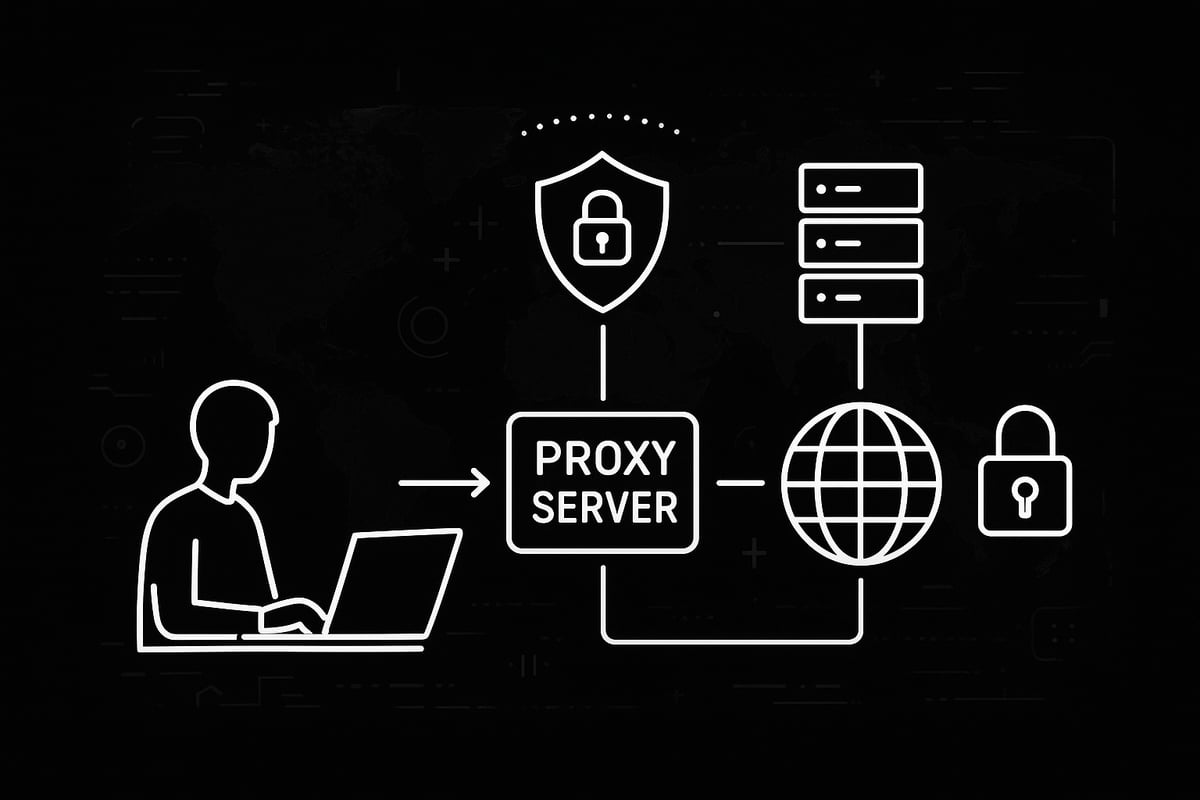
A proxy url is a special type of web address that routes your internet request through a proxy server instead of connecting directly to a website. This server acts as an intermediary, masking your real IP address and creating a layer of anonymity between you and the target site. Unlike a standard url, a proxy url rewrites requests so your destination sees the proxy’s IP, not yours.
Here’s a simple example of a proxy url in action:
https://proxy.example.com/http://targetsite.com
Key terminology includes:
| Term | Definition |
|---|---|
| Proxy server | Intermediary between user and internet |
| Proxy url | URL that routes traffic via proxy server |
| Tunneling | Sending data privately through proxies |
| Anonymity | Hiding user’s real IP and location |
Over 40% of internet users now rely on proxies or VPNs (Statista, 2024). If you want to explore the different types in more depth, check out Types of Proxy Servers Explained.
Why Proxy URLs Matter in 2025
The digital world in 2025 is shaped by rising censorship, geo-blocking, and privacy threats. A proxy url provides a powerful way to bypass firewalls and access content that may be restricted in your region. As ISPs and corporations ramp up data tracking, the need for privacy solutions is at an all-time high.
Proxy urls are often compared to VPNs and Tor. While VPNs encrypt all your traffic, a proxy url typically works at the application level, offering speed and flexibility. For example, students frequently use proxy urls to access educational resources blocked on campus networks.
According to Google Trends (2024), there’s been a 30% year-over-year increase in searches related to proxy url solutions. This surge highlights growing awareness and the need for more accessible tools.
Key Purposes and Benefits
Using a proxy url brings several advantages for both individuals and businesses. Here’s what makes them so valuable:
- Protects your privacy by hiding your actual IP address.
- Enables access to region-locked content and services.
- Boosts security on public Wi-Fi or unsecured networks.
- Supports automation like web scraping and SEO monitoring.
For instance, many businesses rely on a proxy url to verify online ads, ensuring they appear correctly in different locations. Proxies are now vital tools for everyone from casual users to large enterprises.
The Evolution of Proxy Technology
Proxy technology has come a long way from simple web proxies to today’s advanced solutions. Early proxies mostly used HTTP, but now we see HTTPS and SOCKS protocols offering stronger security and compatibility. The rise of mobile and residential proxies has pushed anonymity to new heights.
Modern proxy url services integrate seamlessly with automation tools, APIs, and browser extensions. Enterprises increasingly use datacenter proxies for large-scale needs. Looking ahead, AI-driven proxy management and smart rotation are set to transform how proxy url solutions adapt to evolving threats and demands.
How Proxy URLs Work: Technical Overview
Understanding how a proxy url operates is essential for anyone looking to boost privacy or bypass restrictions online. At its core, a proxy url acts as a middleman, rerouting your web requests through a proxy server before they reach their destination. Let’s break down the technical process, protocols, encoding, security, and common challenges so you can make the most of your proxy url strategy.
The Proxy URL Request Flow
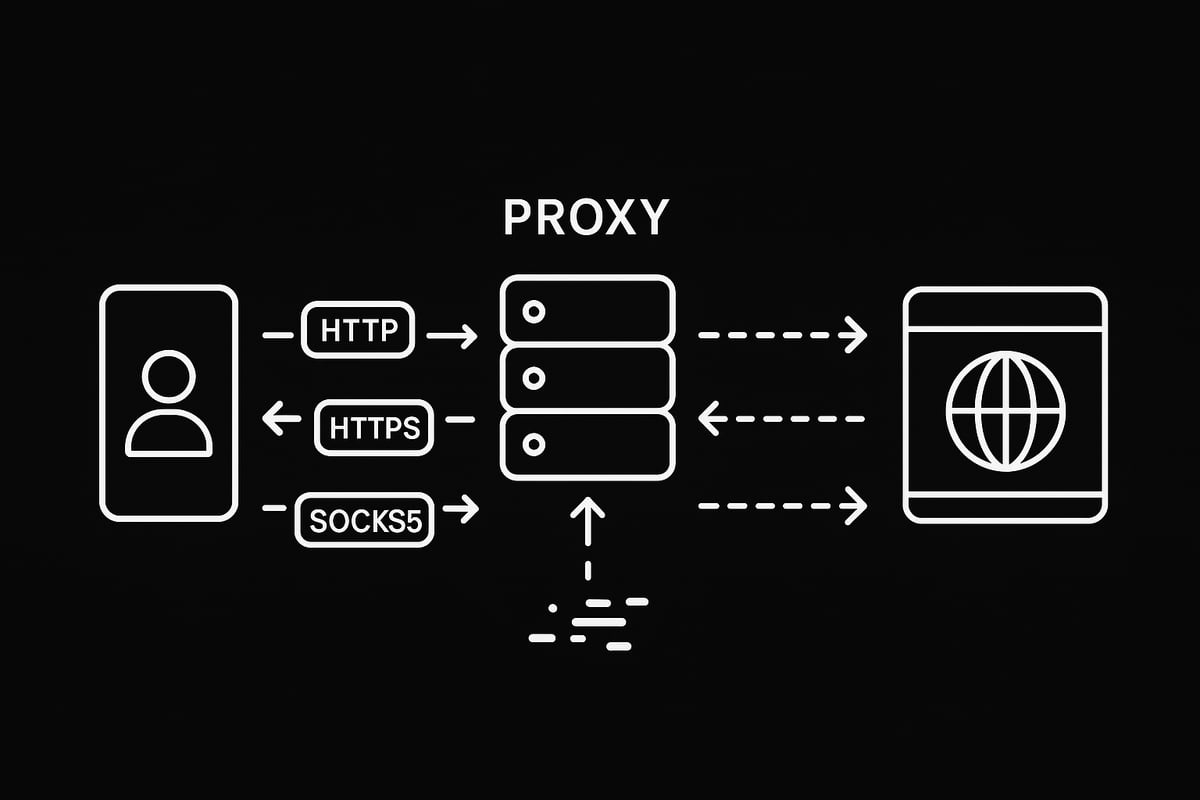
When you enter a proxy url, your browser sends the request to the proxy server instead of going directly to the website. The proxy receives your request, rewrites it if necessary, and then forwards it to the target site. Once the website responds, the proxy server relays the information back to you.
For example, if you use a proxy url to access a blocked news site, the proxy server fetches the site on your behalf, making it appear as if the request originated from the proxy’s IP address.
Diagram suggestion: Visualize this as User → Proxy Server → Target Website → Proxy Server → User, with arrows showing the data flow and the proxy url at the entry and exit points.
Types of Proxy Protocols
The protocol behind your proxy url determines how traffic is handled. The most common types are:
| Protocol | Security | Use Case |
|---|---|---|
| HTTP | Low | Basic web browsing |
| HTTPS | High | Secure browsing |
| SOCKS4 | Medium | General, no authentication |
| SOCKS5 | High | P2P, better performance |
Choosing the right protocol affects speed, security, and compatibility. For instance, SOCKS5 is ideal for peer-to-peer applications, while HTTPS proxies are better for encrypted web browsing. Your proxy url will specify which protocol is being used, so always match it to your task.
Proxy URL Encoding and Decoding
A proxy url often encodes information so it can pass seamlessly through the proxy server. This may include authentication tokens, session cookies, or custom headers. Encoding ensures that special characters in URLs do not break the request.
# Example: encoding a proxy url in Python
import urllib.parse
original_url = "http://example.com/?q=proxy url"
encoded_url = urllib.parse.quote(original_url, safe='')
print(encoded_url)
Proxies handle cookies and headers, maintaining your session’s integrity. Some advanced proxy url formats allow you to append parameters for authentication or session management, streamlining automation tasks.
Security Implications and Encryption
Not all proxy urls provide the same level of security. HTTP proxies do not encrypt your data, making it vulnerable to interception. HTTPS proxies, on the other hand, encrypt the traffic, helping protect sensitive information.
Risks include data logging, interception, and man-in-the-middle attacks, especially with untrusted proxies. Always use a proxy url with HTTPS for transmitting personal or confidential data, and check your provider’s security practices.
Limitations and Potential Issues
Using a proxy url can introduce latency because each request makes an extra hop through the proxy server. Free or public proxies often come with risks such as malware, logging, or unreliable connections.
Another common challenge is encountering proxy bans or CAPTCHAs, especially when scraping at scale. In fact, 60 percent of free proxies have been found to inject ads or malware. For a deeper look at handling rotating and static proxies to avoid bans, check out the Rotating and Static Proxies Guide.
Always weigh the pros and cons before choosing a proxy url for your workflow.
Types of Proxy URLs and Their Use Cases
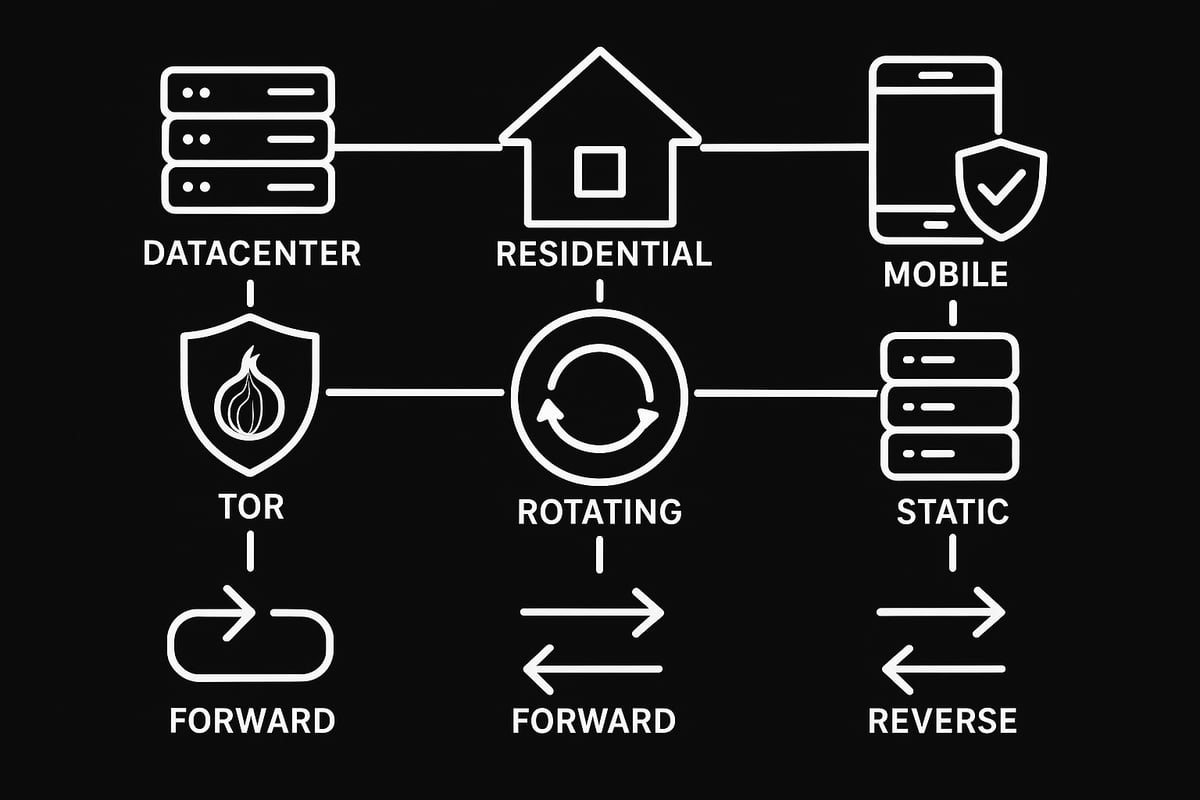
Understanding the different types of proxy url solutions is essential for choosing the right tool for your digital needs. Each type is designed for unique scenarios, offering distinct advantages and limitations. Let’s break down the main categories and see where each shines in the real world.
Datacenter Proxies
A datacenter proxy url is provided by servers in commercial data centers. These proxies are not associated with an internet service provider or residential address, making them fast and scalable. They’re often used for high-volume web scraping, gaming, and bulk account creation.
Pros:
- High speed and low latency
- Cost-effective for scale
- Large IP pools
Cons:
- Easier to detect and block
- Lower trust on sensitive sites
For example, SEO agencies rely on datacenter proxies to track search engine rankings across different locations without triggering anti-bot measures.
Residential Proxies
A residential proxy url uses real IP addresses from actual households. Since these proxies appear as genuine users to websites, they’re highly trusted and harder to block. Typical use cases include ad verification, market research, and purchasing limited-edition products.
Pros:
- High anonymity and reliability
- Ideal for geo-sensitive tasks
Cons:
- More expensive than datacenter proxies
- Limited IP availability
E-commerce businesses, for example, use residential proxies to monitor competitor prices without revealing their identity or triggering blocks.
Mobile Proxies
Mobile proxies route your proxy url requests through real mobile devices on 4G or 5G networks. This makes them exceptionally hard to detect, as the IPs rotate frequently and mimic normal mobile traffic. They’re favored for social media automation and mobile app testing.
Pros:
- Maximum anonymity
- Bypass mobile-specific restrictions
Cons:
- Higher cost
- Smaller IP pool
A social media manager might use mobile proxies to manage multiple accounts and avoid detection by platform algorithms.
Rotating and Static Proxies
Rotating proxies change the IP address assigned to your proxy url with every request or session. Static proxies, in contrast, maintain the same IP throughout your activity.
Use cases:
- Rotating proxies are perfect for scraping large websites, as they help avoid bans and CAPTCHAs.
- Static proxies are better for account management where a consistent IP is necessary.
For example, e-commerce bots use rotating proxies to cycle through different IPs, minimizing the risk of being blocked.
Free vs. Paid Proxy URLs
Choosing between a free and a paid proxy url involves weighing risks and rewards. Free proxies may sound tempting, but they often come with downsides like slow speeds, unreliable connections, and privacy concerns. Paid proxies offer better performance, security, and customer support.
| Feature | Free Proxy URLs | Paid Proxy URLs |
|---|---|---|
| Speed | Slow | Fast |
| Security | Low | High |
| Reliability | Unstable | Stable |
| Privacy | Questionable | Strong |
According to Proxy Market Research 2024, 90% of enterprise users prefer paid proxy services due to these advantages.
Specialized Proxies: TOR, Forward, Reverse, and More
Specialized proxies extend the functionality of a proxy url far beyond basic anonymization. TOR proxies route traffic through multiple relays for unmatched privacy, while forward proxies act as intermediaries for users accessing the internet. Reverse proxies, on the other hand, sit in front of web servers, providing load balancing and extra security.
For instance, a business might deploy a reverse proxy to distribute incoming traffic evenly across its servers and shield sensitive resources from direct access. These advanced proxy url types are crucial for both privacy enthusiasts and enterprise IT teams.
Step-by-Step: How to Set Up and Use a Proxy URL in 2025
Setting up a proxy url in 2025 is more accessible and powerful than ever. Whether you are a beginner or an advanced user, following the right steps will help you maximize privacy, access, and security. Let’s break down each phase so you can confidently use a proxy url for your needs.
Choosing the Right Proxy Type
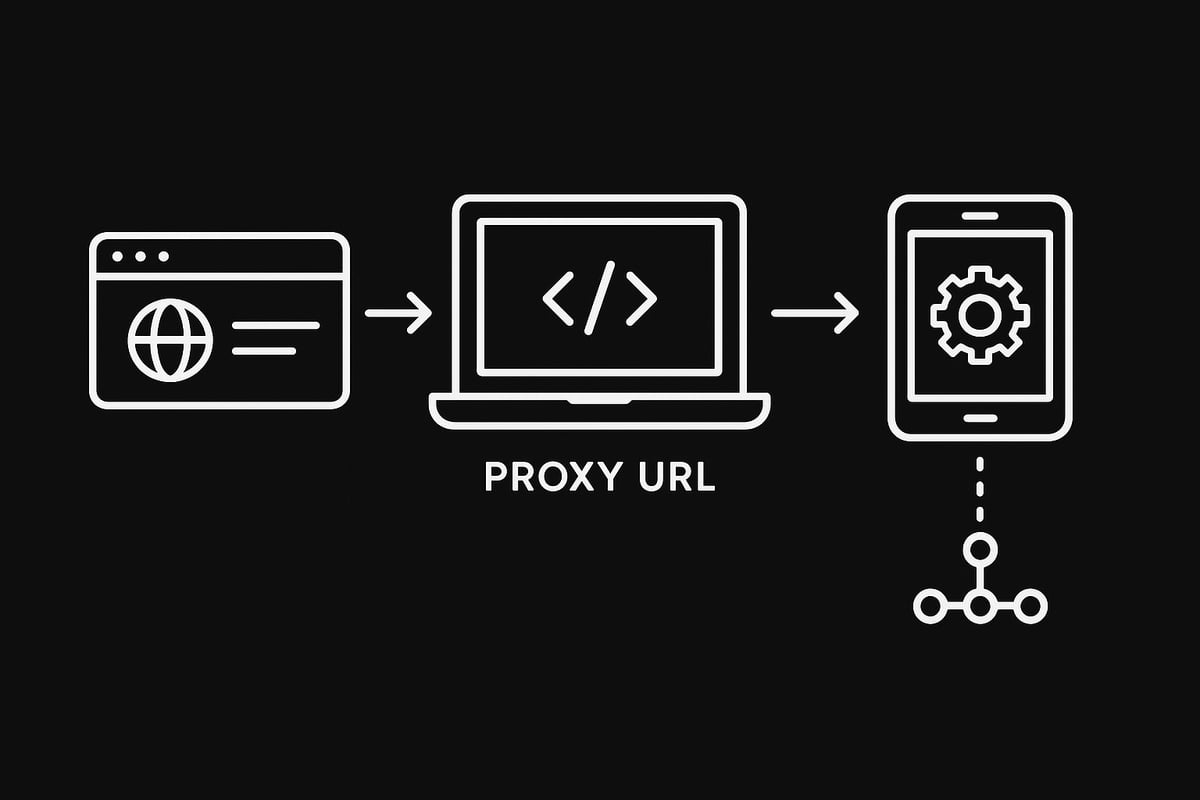
Before configuring a proxy url, you need to pick the right type for your use case. Are you aiming for speed, privacy, or access to geo-restricted content? Datacenter proxies are fast and affordable, while residential and mobile proxies offer higher trust and anonymity.
Consider these factors:
- Purpose: Browsing, scraping, gaming, or automation?
- Protocol: HTTP, HTTPS, SOCKS4, or SOCKS5?
- Anonymity: Do you need your proxy url to fully mask your identity?
- Budget: Free proxies are tempting but often risky.
For example, if you need to torrent files, a SOCKS5 proxy url is ideal. For browsing, HTTPS proxies provide better encryption. Always align your proxy url choice with your goals.
Setting Up a Proxy URL on Different Devices
Once you have selected your proxy url type, it’s time to configure it on your device. On Windows, go to Network & Internet settings, select Proxy, and enter the server details. On macOS, open Network preferences, click Advanced, then Proxies. For Linux, use your network manager or edit your system’s config files.
Mobile setup is just as simple. On Android, go to Wi-Fi settings, tap your network, and enter proxy details under Advanced. On iOS, navigate to Wi-Fi settings, tap the info icon, and configure HTTP proxy settings.
For a detailed walkthrough, check out this How to Set Up Proxies guide which covers proxies on every major platform.
Configuring Proxies in Popular Browsers
Browsers like Chrome, Firefox, and Edge let you set a proxy url directly or via extensions. In Chrome, go to Settings > System > Open your computer’s proxy settings. Firefox allows direct configuration under Settings > Network Settings. Edge mirrors Chrome’s approach.
Browser extensions make switching between proxy urls a breeze. Simply install a reputable extension, input your proxy url, and toggle as needed.
Example setup in Chrome using an extension:
1. Install your chosen proxy extension.
2. Open the extension, enter your proxy url, port, and authentication.
3. Click connect. Your browser routes traffic via the proxy url.
Switching proxies for different tasks is now just a click away.
Using Proxy URLs with Automation and Scraping Tools
If you automate tasks or scrape data, integrating a proxy url into your tools is essential. Python’s requests library lets you set proxies like this:
proxies = {
    "http": "http://username:password@proxy-url:port",
    "https": "https://username:password@proxy-url:port"
}
response = requests.get("http://example.com", proxies=proxies)
Selenium and Node.js also support proxy url integration. For large-scale scraping, use rotating proxy lists and handle authentication securely.
Best practices:
- Rotate your proxy url to avoid bans.
- Monitor response codes for blocks or CAPTCHAs.
- Keep your proxy list updated for reliability.
Troubleshooting Common Proxy URL Issues
Problems with your proxy url setup? Common issues include connection errors, slow speeds, and failed authentication. Here’s a quick troubleshooting table:
| Issue | Possible Cause | Solution |
|---|---|---|
| Cannot connect | Wrong proxy url/port | Double-check details |
| Slow browsing | Overloaded proxy | Switch to another proxy url |
| Frequent CAPTCHAs | IP flagged | Rotate proxy url more often |
| Auth failure | Credentials error | Reset username/password |
Tips:
- Test your proxy url with multiple sites.
- Use secure protocols for sensitive data.
- Reach out to your provider for persistent problems.
Mastering these steps will ensure your proxy url works smoothly for privacy, access, and automation.
Legal, Privacy, and Ethical Considerations for Proxy URLs
Navigating the world of proxy URL use in 2025 means understanding more than just technical setup. Legal, privacy, and ethical factors all play a crucial role in how, where, and why you use proxy URLs. Let’s break down what you need to know to stay safe and responsible in this evolving landscape.
Legal Status of Proxy Usage Worldwide
The legal status of proxy URL usage varies based on your location and intent. While many countries allow proxy URLs for personal privacy, some regions impose restrictions, especially for activities that bypass censorship or break copyright laws.
Here’s a quick snapshot:
| Region | Personal Use | Business Use | Criminal Use |
|---|---|---|---|
| US | Legal | Legal | Illegal |
| EU | Legal | Legal | Illegal |
| China | Restricted | Restricted | Illegal |
| Russia | Restricted | Restricted | Illegal |
For example, using a proxy URL to access streaming sites blocked in your country may violate local laws. Always consider the legal risks, especially for copyright infringement or accessing forbidden content.
Privacy Risks and Zero-Log Policies
Not all proxy URL services protect your privacy equally. Some providers log browsing activity, putting your sensitive data at risk. This can expose you to unwanted tracking, data leaks, or even legal investigation.
Common privacy risks with proxy URL use include:
- Data logging by the provider
- Potential sale of your browsing data
- Weak encryption leading to interception
Choosing a zero-log proxy URL is essential. According to VPNMentor, 70% of users say privacy is their main reason for using proxies. Always review privacy policies to ensure your information stays protected.
Ethical Use of Proxy URLs
The ethical line for proxy URL use is clear: legitimate purposes like privacy, security, and research are acceptable, while activities like bypassing paywalls or scraping personal data cross into unethical territory.
Corporate users must also respect terms of service and industry regulations. For more on responsible proxy practices, check out Ethical Proxy Usage Best Practices.
For example, using a proxy URL for ad verification is ethical, but scraping confidential data is not. Understanding the difference helps maintain trust and compliance.
How to Stay Safe and Compliant
To use a proxy URL safely and within the law, follow these best practices:
- Choose reputable providers with clear privacy policies
- Read and understand terms of service before use
- Ensure your activities align with legal and ethical norms
Use proxy URLs only for transparent, legitimate purposes. Staying informed and compliant protects both your data and your reputation.
How to Choose the Best Proxy URL Solution for Your Needs
Selecting the right proxy url solution can be the difference between seamless online access and constant frustration. With so many options on the market, understanding your needs and the latest trends will help you make an informed choice.
Key Factors to Consider
When comparing proxy url solutions, start by listing your priorities. Are you seeking speed, strong uptime, or a wide range of locations? Protocol support matters too, as some tasks require HTTPS or SOCKS5 for extra security.
Security features are essential. Look for encryption, a zero-log policy, and reliable customer support. For example, if you need a proxy url for sensitive transactions, encryption is non-negotiable.
Finally, consider your budget. Some providers offer scalable plans, while others cater to enterprise-level needs. Testing latency and reliability before committing can save headaches down the road.
Comparing Top Proxy Providers in 2025
The proxy url market is highly competitive, with leading providers offering diverse features. Key factors to compare include bandwidth, IP pool size, geographic diversity, and technical support.
Industry reports highlight how technological advancements and user demands are shaping the landscape. For deeper insights into market dynamics and provider innovations, see Proxy Network Software Market Trends, which outlines the latest developments and forecasts.
A simple comparison table can help:
| Provider | Bandwidth | IP Pool Size | Support Quality |
|---|---|---|---|
| Provider A | 1Gbps | 1M+ | 24/7 |
| Provider B | 10Gbps | 500K | Business hours |
| Provider C | 5Gbps | 2M+ | 24/7 |
Choose a proxy url provider that best fits your requirements.
PinguProxy: High-Speed Datacenter and Mobile Proxy Solutions
PinguProxy is a standout proxy url solution for users needing speed and flexibility. Their offerings include datacenter, mobile, and even TOR proxies, all supporting IPv4 and IPv6. With a strict zero-log policy, 1ms proxy rotation, and 10Gbps bandwidth, PinguProxy is built for demanding use cases.
Common applications include web scraping, gaming, geo-testing, and ad verification. Their intuitive dashboard and 24/7 support make management straightforward.
For developers, integrating a proxy url with PinguProxy’s API simplifies automation and privacy for large-scale projects.
Case Studies: Matching Proxy Types to Use Cases
Choosing the right proxy url depends on your industry and goals. For e-commerce, residential proxies are ideal for price monitoring on global sites. Gamers often select datacenter proxies to reduce latency and avoid regional restrictions.
Social media managers prefer mobile proxies for authentic account management and to avoid bans. Digital marketers use proxy url solutions for ad verification, ensuring campaigns display correctly worldwide.
Matching the proxy url type to your use case maximizes efficiency and minimizes risk.
Tips for Maximizing Proxy Performance and Security
To get the most from your proxy url, rotate IPs regularly to avoid bans. Always use strong authentication and encrypted protocols, especially when handling sensitive data.
Monitor your usage and review provider policies for changes. For large-scale tasks, automate proxy rotation and keep your proxy url list updated to maintain reliability.
By following these steps, you can enhance both performance and security, ensuring your proxy url solution remains effective as your needs grow.
Future Trends: The Evolution of Proxy URLs Beyond 2025
The world of proxy url technology is on the brink of major transformation. As digital privacy threats and online restrictions grow, new advancements are shaping how proxy url solutions will function in the years ahead. Let’s explore what the future holds for proxy url innovation.
AI and Machine Learning in Proxy Management
AI is fundamentally changing how proxy url systems operate. Machine learning algorithms can now analyze traffic patterns and predict when IPs might get blocked. This means proxy url providers can rotate IPs intelligently, reducing downtime and boosting success rates.
Key AI-driven features for proxy url management include:
- Smart proxy rotation based on behavioral analysis
- Adaptive routing that avoids flagged IPs
- Predictive analytics to prevent bans
For example, enterprise users can access massive proxy url pools where AI automatically selects the best-performing IPs. As AI continues to evolve, expect proxy url platforms to deliver even greater reliability and efficiency.
Integration with Decentralized and Blockchain Networks
A major trend for proxy url technology is integration with decentralized and blockchain networks. Decentralized proxy url solutions spread their infrastructure across global nodes, making them harder to censor or take down.
Benefits of decentralized proxy url networks:
- Censorship resistance via distributed nodes
- Blockchain-based payments for anonymous access
- Transparent identity management for trust
Emerging platforms are already experimenting with blockchain to manage proxy url credentials and transactions. This could soon enable users to buy and sell proxy url access securely, using smart contracts and cryptocurrencies.
Enhanced Privacy and Anti-Detection Features
Privacy is at the heart of every proxy url advancement. Next-generation proxy url systems are focused on defeating sophisticated tracking and detection techniques. Features like dynamic user-agent rotation and advanced fingerprinting resistance are becoming standard.
Key privacy enhancements in proxy url technology:
- Stealth proxies that mimic real user behavior
- Automated rotation of device and browser fingerprints
- Encryption at all stages of the connection
A proxy url in 2025 will not just hide your IP, but also blend your digital footprint into normal traffic patterns. This is crucial for anyone who values privacy or needs to bypass advanced anti-bot systems.
Regulatory Changes and the Proxy Landscape
The regulatory landscape for proxy url use is evolving rapidly. Governments are introducing new rules to control online anonymity and data flows. Businesses must stay alert to compliance requirements, especially as proxies become vital for global operations.
According to the Proxy Server Service Market Forecast, the global proxy url market is set for significant growth, with new regulations likely to shape service offerings and regional accessibility.
Key points for proxy url users:
- Monitor legal changes around proxy url usage
- Choose providers that adapt to compliance demands
- Expect more geo-specific features due to regional laws
As the market grows, staying informed will ensure your proxy url strategy remains effective and legal.Now that you know how proxy URLs can boost your privacy, security, and access in 2025, it’s the perfect time to take the next step. Whether you want to automate tasks, unlock geo-blocked content, or just browse with peace of mind, having the right proxy partner makes all the difference. With PinguProxy’s high speed datacenter and mobile proxies, zero log policy, and 24 7 support, you’re set up for success no matter your project. Ready to put what you’ve learned into action?
Get Started Now