
The Essential Guide to Static Residential Proxies in 2025
Online privacy and unrestricted access are top priorities for individuals and businesses in 2025. As digital barriers and security concerns grow, the search for robust solutions is more important than ever.
Static residential proxies have emerged as a trusted answer, offering unique stability, authenticity, and seamless connectivity. This guide will unravel what static residential proxies are, their key benefits, practical applications, and strategies for choosing and using them effectively in today's landscape.
Curious how these proxies can help unlock data, bypass geo-blocks, or power your business? Dive into this essential guide to make confident, informed proxy choices for the year ahead.
What Are Static Residential Proxies?
Navigating the digital world in 2025 demands tools that offer both privacy and reliable access. Static residential proxies are one such solution, providing users with a unique blend of authenticity, stability, and security for online operations.
What Are Static Residential Proxies?
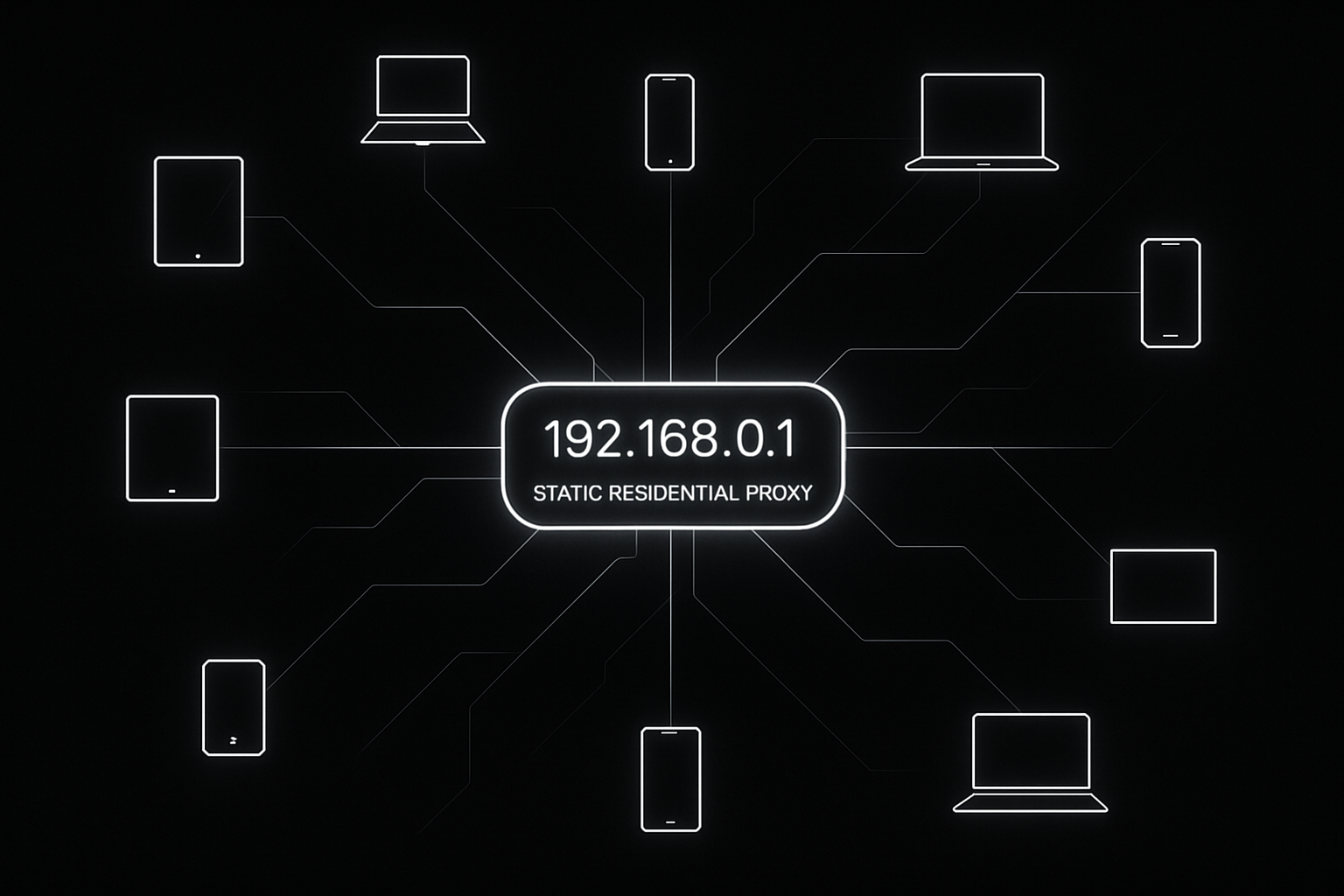
At their core, static residential proxies are IP addresses assigned by Internet Service Providers (ISPs) to real devices, but made available for proxy use. Unlike typical proxies that change IPs frequently, static residential proxies maintain the same IP address over long periods. This stability allows users to appear as consistent, real individuals online, making them ideal for activities that require persistent sessions or identity consistency.
How Are Static Residential Proxies Sourced?
These proxies are sourced directly from ISPs, ensuring every IP address is authentic and tied to a real residential location. Providers acquire them ethically, either through direct partnerships with ISPs or via opt-in programs where users share unused bandwidth in exchange for compensation. This approach guarantees uniqueness and reduces the risk of detection, as each IP mirrors genuine home internet connections.
Static vs. Rotating vs. Datacenter Proxies
When comparing static residential proxies to alternatives, the differences become clear. Rotating residential proxies switch IPs with every request or after a set interval, which can disrupt long-term tasks or trigger security checks. Datacenter proxies, meanwhile, use IPs from data centers rather than real homes, making them faster but more likely to be flagged by websites.
Static residential proxies stand out by offering a fixed, residential IP that blends seamlessly with normal user traffic. This makes them less likely to be blacklisted and more reliable for tasks requiring continuous access. For a deeper dive into the technical distinctions, check out this Types of proxy servers explained guide.
| Proxy Type | IP Source | IP Changes? | Best For |
|---|---|---|---|
| Static Residential | ISP | No | Persistent sessions, account mgmt |
| Rotating Residential | ISP | Yes | Mass scraping, anonymity |
| Datacenter | Data center | No/Yes | Speed, less sensitive targets |
Why Choose Static Residential Proxies?
The main advantage of static residential proxies is their ability to maintain identity consistency. This is crucial for managing multiple accounts, running long-term automations, or performing actions that require uninterrupted sessions. For example, marketers managing several social profiles or businesses tracking e-commerce trends benefit from a stable IP that avoids repeated logins and CAPTCHAs.
Additionally, the authenticity of these proxies means platforms are less likely to flag or block activities, resulting in smoother operations and fewer interruptions.
Market Stats and Reliability
Leading providers now offer access to over 500,000 unique static residential proxies worldwide. With reported uptimes averaging 99.9%, users enjoy uninterrupted access for even the most demanding online tasks. This reliability and scale make static residential proxies a top choice for businesses and individuals alike in 2025.
Key Benefits of Static Residential Proxies in 2025
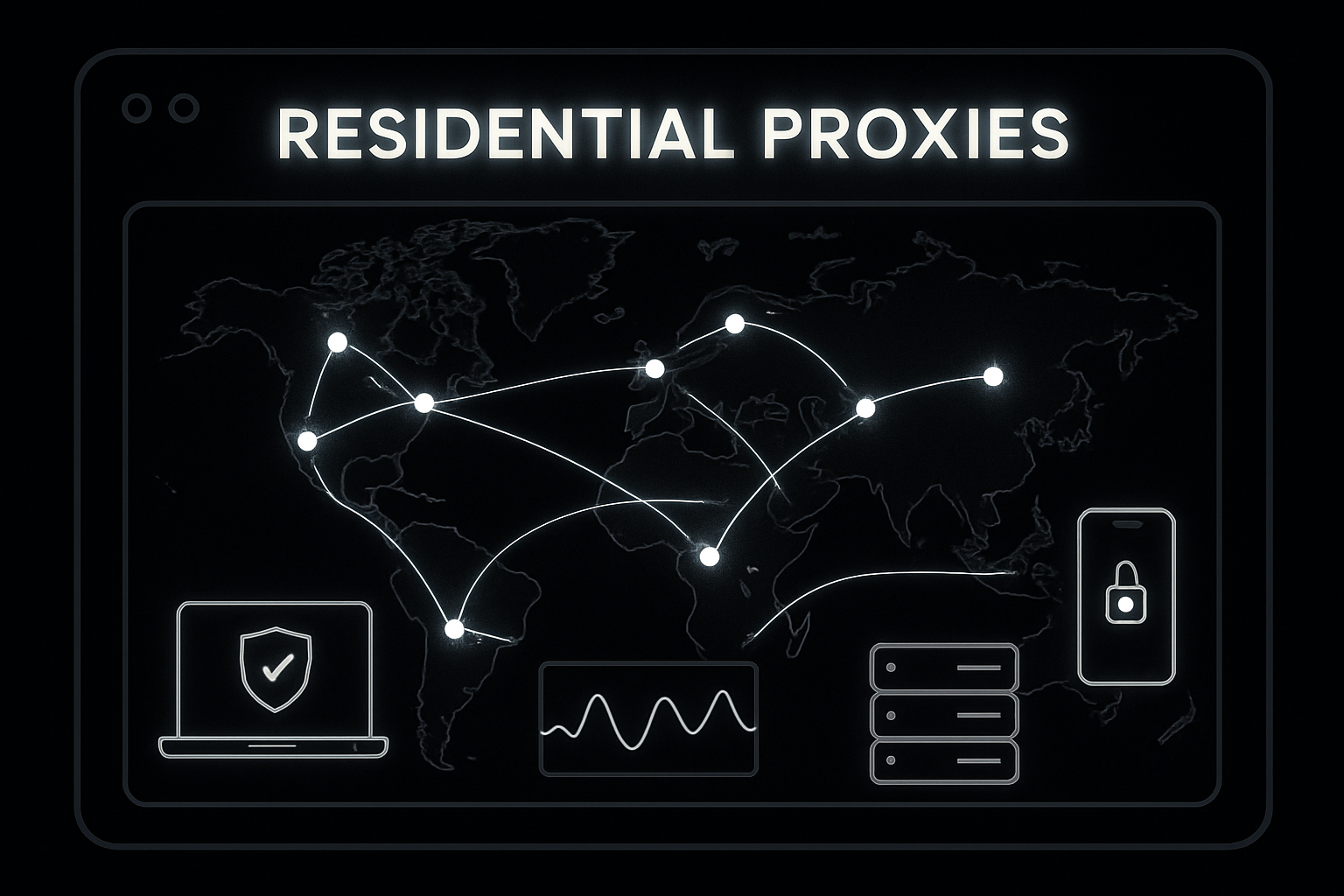
In 2025, the digital landscape demands more robust solutions for privacy, reliability, and performance online. Static residential proxies stand out as the preferred choice for businesses and individuals who need consistent, authentic, and high-performing proxy connections. Let’s break down the four core benefits that make static residential proxies a must-have tool this year.
Enhanced Reliability and Stability
Reliability is the backbone of any effective proxy solution. Static residential proxies provide persistent IP addresses, ensuring your connection remains stable throughout long-term operations. This is crucial for tasks like e-commerce monitoring or social media management, where frequent IP changes could disrupt workflows.
With static residential proxies, you reduce the risk of session drops and avoid annoying interruptions such as repeated login prompts or CAPTCHAs. Leading providers now deliver impressive uptime figures - typically between 99.7% and 99.9% - so you can trust your connection won’t let you down during mission-critical tasks.
For example, managing multiple accounts or running automated bots becomes far more efficient when your IP stays consistent. This stability is what sets static residential proxies apart from rotating alternatives, making them the go-to choice for professionals who can’t afford disruptions.
Superior Anonymity and Authenticity
Today’s web platforms are smarter than ever at detecting and blocking suspicious traffic. Static residential proxies excel because they use real residential IPs sourced directly from ISPs. This means your requests appear to originate from genuine users, enhancing both anonymity and authenticity.
Unlike datacenter proxies, which are quickly flagged and banned, static residential proxies are much less likely to be blacklisted. This is especially important when accessing geo-restricted sites or platforms with aggressive anti-bot measures, such as sneaker drops or ticketing portals.
By leveraging static residential proxies, you can bypass sophisticated defenses and maintain access to critical data or services. With over 30 million IPs spread across 195+ locations, these proxies offer unmatched coverage for users who need to blend in and operate undetected.
Unlimited Bandwidth and High Performance
Many top providers now offer unlimited bandwidth with their static residential proxies, removing the stress of data caps or overage fees. This is a game-changer for users running data-intensive operations like large-scale web scraping, ad verification, or competitive intelligence.
Static residential proxies support blazing-fast connections - up to 1Gbps - which means you can handle massive volumes of requests without slowdown. For marketers, analysts, and automation specialists, this translates to better efficiency and scalability.
If you need more details about unlimited bandwidth options and how they boost productivity, check out the No bandwidth limit feature. High performance and unlimited traffic let you focus on your objectives, not your data consumption.
| Feature | Benefit |
|---|---|
| Unlimited Bandwidth | No risk of hitting traffic limits |
| High-Speed Connections | Fast data extraction and automation |
| No Overage Fees | Predictable costs for scaling up operations |
Dedicated and Secure Connections
Security and control are non-negotiable in 2025. Static residential proxies offer dedicated IPs, meaning you never share your address with other users. This reduces the risk of cross-account contamination and ensures your operations remain private.
With full control over proxy usage, you can confidently access sensitive business portals, run confidential automation, or manage proprietary data. Unlike bandwidth-based models, static residential proxies are typically sold per IP, which offers greater transparency and privacy.
Round-the-clock support and flexible, zero-contract options from reputable providers make it easy to adapt your proxy setup as your needs evolve. For businesses handling sensitive operations or compliance-heavy tasks, static residential proxies deliver the security and reliability you require.
Top Use Cases for Static Residential Proxies
In 2025, static residential proxies are powering a host of essential online activities for businesses and individuals alike. Their unique blend of stability, authenticity, and global reach unlocks new possibilities across industries. Let’s explore the top scenarios where static residential proxies deliver unmatched value.

Web Scraping and Data Collection
Web scraping has become a critical strategy for data-driven organizations. With static residential proxies, users gain the ability to extract large volumes of data without frequent IP bans or interruptions. The static nature of these proxies ensures session persistence, allowing for deep crawling and reliable access to target sites.
For example, travel aggregators use static residential proxies to collect real-time airfare and hotel prices, while financial analysts gather stock market data. Both HTTP and SOCKS5 protocols are supported, offering flexibility for integration with various scraping tools.
Digital marketers and SEO professionals rely on static residential proxies for accurate SERP scraping and competitor research. Interested in maximizing your scraping success? Check out this Complete web scraping guide 2025 for actionable tips and best practices.
E-commerce, Price Monitoring, and Retail Automation
The e-commerce sector thrives on real-time intelligence. Static residential proxies empower brands and retailers to track competitor pricing, monitor product availability, and automate retail processes without triggering anti-bot defenses.
Consider sneaker resellers or electronics retailers who must act fast during flash sales. With static residential proxies, they can run automated checkout bots and monitor inventory across multiple sites, all while avoiding bans or detection.
Unlimited bandwidth is a major advantage, supporting high-frequency price checks and data pulls. These proxies make it possible to maintain uninterrupted access to the sites that matter most for online retail operations.
Social Media and Account Management
Running multiple social media accounts from a single device can quickly raise red flags. Static residential proxies solve this challenge by providing dedicated, consistent IP addresses for each account, reducing the risk of triggering platform security alerts.
Marketing agencies, influencers, and automation tool users all benefit from static residential proxies. They can manage campaigns, schedule posts, and interact with audiences across platforms like Facebook, Instagram, TikTok, and Reddit with ease.
Dedicated IPs also help prevent cross-account contamination, ensuring that each identity remains separate and secure. This stability is crucial for long-term account management and growth.
Ad Verification and Brand Protection
Ad verification requires viewing digital ads as a real user would, from different regions and devices. Static residential proxies enable advertisers and agencies to verify ad placements, detect fraud, and monitor competitor campaigns without being flagged as bots.
For example, a brand can check how its ads appear in the US, UK, or Germany, ensuring accurate targeting and compliance. The global reach of static residential proxies supports comprehensive coverage, making it easier to identify and address brand safety issues.
Leading proxy providers support over 31 countries, ensuring that businesses can protect their reputation and optimize ad spend in any market.
Bypassing Geo-restrictions and Accessing Localized Content
Accessing region-locked content is a common hurdle for streaming, gaming, and market research. Static residential proxies offer a reliable solution by providing IPs from specific countries or cities, allowing users to unlock local offers, test geo-targeted apps, or enjoy region-exclusive content.
For instance, QA teams can test how apps function in different markets, while gamers and streamers bypass content restrictions for uninterrupted sessions. The stable IPs offered by static residential proxies ensure long streaming or gaming sessions without sudden disconnects.
Proxy pools now span over 195 countries, giving users unparalleled access to localized experiences and information.
How to Choose the Best Static Residential Proxy Provider in 2025
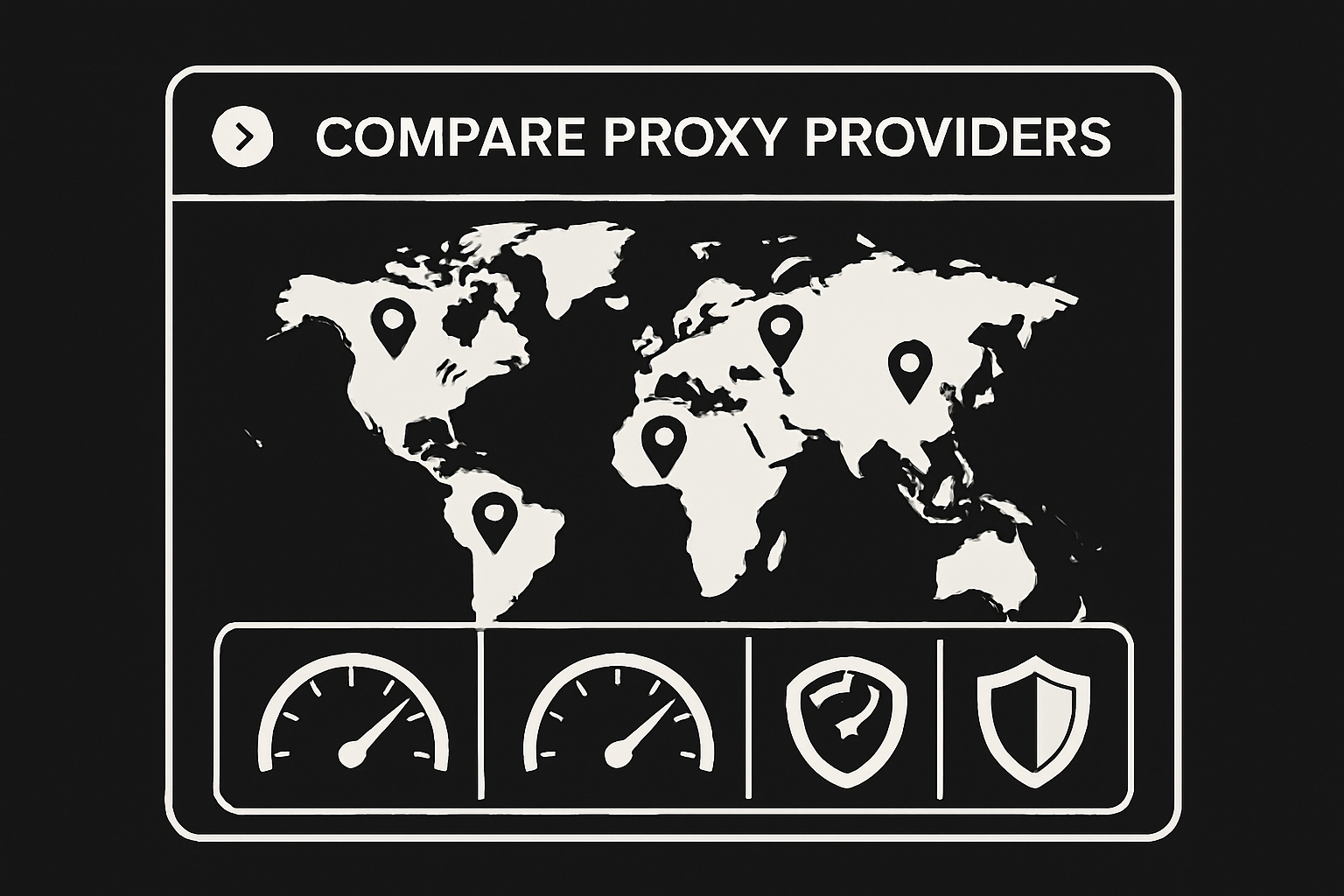
Selecting the right static residential proxies provider in 2025 can make or break your digital projects. The market is crowded, but understanding the key factors will help you make the best choice for your needs.
Network Size, Coverage, and IP Quality
When evaluating static residential proxies, start by examining the provider’s global IP pool. A larger, diverse pool offers better location targeting and minimizes the risk of detection. For example, leading services now boast over 30 million IPs across 31+ countries, ensuring you’ll find coverage in the US, UK, APAC, and beyond.
Equally important is the source of these IPs. Opt for ethically sourced, premium ISP addresses to guarantee authenticity and minimize legal risks. Transparency in sourcing and compliance should be a top priority.
Here's a quick comparison of features to consider:
| Feature | Why It Matters | What to Look For |
|---|---|---|
| IP Pool Size | Broader location access | 30M+ IPs, 31+ countries |
| Location Targeting | Niche/regional project support | City/country-level selection |
| Sourcing Transparency | Legal and ethical peace of mind | Clear ISP partnerships |
For a detailed breakdown of top providers, check out the Top residential proxy service providers of 2025 for up-to-date features and pricing.
Performance, Bandwidth, and Uptime Guarantees
Performance is critical for static residential proxies users. Look for providers offering speeds up to 1Gbps, which is now the industry standard for data-intensive tasks. Unlimited bandwidth plans are ideal if you engage in large-scale scraping or automation, as you won’t face overage fees.
Another key metric is uptime. Leading providers offer 99.7% to 99.9% uptime guarantees - crucial for uninterrupted operations. If your tasks require continuous connections, such as persistent web scraping or social automation, prioritize these benchmarks.
User testimonials and third-party ratings (such as 4.3-4.6/5 on Trustpilot) provide valuable insight into real-world reliability. Always test proxies before full deployment to confirm speed and stability meet your needs.
Security, Privacy, and Support
Security should never be an afterthought with static residential proxies. Decide between dedicated and shared IP options based on your risk tolerance. Dedicated IPs offer exclusive access, reducing exposure to bad actors and boosting session security.
Review each provider’s privacy policy closely. Look for zero-log commitments, robust data protection, and compliance with major regulations. Reliable 24/7 customer support is a must, especially for global businesses needing fast responses.
Advanced features like flexible IP rotation, API access, and intuitive dashboards can streamline management and improve your overall proxy experience. Don’t hesitate to reach out to support for clarifications or technical help.
Pricing, Contracts, and Flexibility
Pricing for static residential proxies varies widely, typically ranging from $0.23 to $2.00 per IP. Consider whether you need unlimited traffic or are comfortable with metered plans. Many providers now offer no-contract options, making it easy to scale up for seasonal campaigns or temporary projects.
Custom plans and bulk discounts can be a game-changer for enterprise users. Assess refund policies, trial offers, and onboarding processes to ensure a risk-free start.
Here’s a quick price comparison:
| Provider | Price per IP | Traffic | Contract Terms |
|---|---|---|---|
| Provider A | $0.23 | Unlimited | No contract |
| Provider B | $1.50 | Metered | Monthly |
| Provider C | $2.00 | Unlimited | Custom/Enterprise |
Flexible plans and transparent pricing help you maximize ROI with static residential proxies. Always align your choice with your project’s scope and duration.
Setting Up and Managing Static Residential Proxies: Step-by-Step Guide
Getting started with static residential proxies doesn’t have to be intimidating. Whether you’re a beginner or a seasoned pro, following a structured approach makes setup and ongoing management much smoother. Let’s walk through the five essential steps to ensure your static residential proxies are configured for success.
Step 1: Define Your Use Case and Requirements
Start by identifying exactly what you want to achieve with static residential proxies. Are you planning to scrape data, automate social media, verify ads, or bypass geo-blocks? Pinpointing your primary goal helps you choose the right features.
List your requirements:
- Location targeting (e.g., US, UK, Germany)
- Desired bandwidth and speed
- Number of concurrent connections
- Protocol support (HTTP/SOCKS5)
- Budget range
For example, if you need reliable US-based static residential proxies for managing multiple accounts, note down the number of IPs and required uptime. By clearly outlining your project details, you’ll avoid unnecessary costs and mismatched services.
Step 2: Select and Purchase a Provider
Once you know your needs, research and shortlist proxy providers that align with your criteria. Compare features like IP pool size, global coverage, pricing, and contract flexibility. Reading detailed reviews like the IPRoyal Review 2025 can help you assess real-world performance and reliability of static residential proxies.
Here’s a sample comparison table:
| Provider | IP Pool Size | Bandwidth | Price/IP | Countries |
|---|---|---|---|---|
| IPRoyal | 500K+ | Unlimited | $0.23-$2 | 31+ |
| Webshare | 30M+ | Unlimited | $0.30-$1.50 | 195+ |
Check for trial options and transparent sourcing practices. After selecting, complete your purchase and ensure you receive clear proxy credentials and support contacts.
Step 3: Configure Proxies in Your Tools or Software
With your proxy credentials in hand, it’s time to integrate static residential proxies into your chosen software or application. Most platforms require you to input the proxy IP, port, and authentication details.
Here’s a typical configuration example:
Proxy: 123.45.67.89
Port: 8080
Username: yourusername
Password: yourpassword
Protocol: HTTP or SOCKS5
Use built-in test tools or third-party proxy testers to verify connectivity. If your software supports it, add static residential proxies via browser extensions or automation frameworks. Troubleshoot errors by double-checking credentials and whitelisting your device’s IP if necessary.
Step 4: Optimize and Monitor Proxy Usage
Once configured, monitor your static residential proxies for uptime, speed, and connection success. Use dashboards or APIs provided by your proxy service to track performance metrics and usage statistics.
Tips for optimization:
- Set alerts for downtime or slow speeds
- Rotate proxies if supported to avoid detection
- Replace underperforming IPs through your provider’s dashboard
- Track data usage to stay within fair use limits
By actively managing your proxy pool, you ensure your static residential proxies remain effective and reliable for long-term projects.
Step 5: Maintain Security and Compliance
Always use static residential proxies ethically and in line with provider terms. Secure your proxy credentials, avoid sharing access, and regularly review privacy policies for updates. For guidance on responsible proxy practices, refer to Ethical proxy usage guidelines.
Checklist for compliance:
- Follow GDPR, CCPA, or other relevant regulations
- Use proxies only for permitted activities
- Contact support for legal or technical queries
By prioritizing security and compliance, you protect your operations and maintain trust when working with static residential proxies.
Trends and Future Outlook for Static Residential Proxies in 2025
As we move into 2025, static residential proxies are poised to play an even more significant role in both personal and business internet use. Understanding the trends shaping this market is crucial for anyone aiming to stay ahead of online restrictions and privacy challenges.
Growing Demand for Privacy and Anonymity
With digital surveillance and anti-bot defenses on the rise, static residential proxies are increasingly in demand. Both businesses and private users seek out these proxies for their ability to provide undetectable, stable connections.
- Online anonymity is now a top priority, especially as more platforms restrict access or monitor user activity.
- Static residential proxies offer a reliable solution for bypassing these barriers, maintaining privacy without sacrificing performance.
- For example, as more consumers shift from datacenter proxies to residential ones, the market has seen over 64,773 customers relying on leading proxy services, according to Webshare.io.
- Users value the persistence and authenticity these proxies deliver, which is essential for tasks where being flagged as a bot could disrupt operations.
The ongoing evolution of static residential proxies ensures they remain at the forefront of secure, anonymous web access.
Advancements in Proxy Technology
The technology powering static residential proxies is advancing rapidly. Providers are now delivering higher speeds, sometimes reaching 10Gbps, and boosting reliability through state-of-the-art infrastructure.
- Enhanced dashboards and API management tools have made proxy deployment and monitoring more user-friendly.
- Many solutions now support unlimited threads, 1ms proxy rotation, and flexible protocol options, including IPv6.
- Integration with automation, scraping, and security platforms is more seamless than ever, reducing technical barriers.
- According to the Live Proxies Review 2025, the latest generation of static residential proxies excels in performance and offers robust features for demanding use cases.
As these technologies mature, users can expect even greater efficiency and control over their proxy operations.
Expansion of Global IP Pools and Locations
The global footprint of static residential proxies is expanding. Providers are adding more countries and cities to their IP pools, supporting users who need precise geographic targeting.
- Access to over 31 countries and 195+ locations means businesses can localize their activities with unprecedented accuracy.
- This trend is especially valuable for industries requiring compliance with regional regulations or those seeking market insights from hard-to-reach locations.
- Ethically sourced, premium ISP partnerships are at the core of this expansion, ensuring each IP is both unique and trustworthy.
- Users benefit from greater flexibility, as rare or in-demand regions become accessible for research, testing, and campaign management.
As the reach of static residential proxies grows, so does their strategic value in the global digital ecosystem.
Evolving Use Cases and Industries
The range of industries leveraging static residential proxies is broadening. Beyond traditional sectors like digital marketing and e-commerce, new fields are adopting these solutions.
- Gaming, streaming, and accessing region-locked content are now mainstream use cases.
- Digital marketers rely on static residential proxies for ad verification, brand protection, and market intelligence.
- Applications in AI data collection and automation testing are also expanding, driven by the need for consistent, undetectable access.
- As highlighted in the Decodo proxy service review, static residential proxies are proving invaluable for businesses seeking reliable, scalable solutions for modern web challenges.
This diversification underscores the adaptability and ongoing relevance of static residential proxies in 2025.
Regulatory and Ethical Considerations
Stricter compliance regulations, such as GDPR and CCPA, are shaping how static residential proxies are sourced and used. Providers are making transparency and ethical practices a top priority.
- Providers are disclosing their sourcing methods and usage policies to foster trust and accountability.
- Users must ensure their activities remain within the boundaries of legal and ethical standards, avoiding misuse or unauthorized data collection.
- Trust signals, like positive reviews on Trustpilot and recognition from industry analysts such as PCMag, help users identify reputable proxy partners.
- Responsible usage is not just a recommendation - it is essential for maintaining long-term access and avoiding legal complications.
By staying informed and ethical, users can fully leverage the benefits of static residential proxies while minimizing risks.Now that you’ve got a clear picture of how static residential proxies can power your online projects in 2025 - whether it’s for web scraping, accessing geo-blocked content, or keeping your business operations secure - it’s time to put that knowledge to work. With PinguProxy’s high-speed, zero-log proxies and 24/7 support, you’re set up for privacy, reliability, and total control. Ready to experience the difference and take your next step toward seamless online access?
Get Started Now