
Guide to Residential SOCKS5 Proxies: Secure Browsing in 2025
In 2025, the stakes for online privacy have never been higher. Data breaches and digital surveillance are rising, putting your personal information at risk every time you browse. Residential socks5 proxies offer a powerful solution, giving you stronger security, more privacy, and access to the unrestricted internet. This guide will show you exactly what residential socks5 proxies are, how they work, their main security benefits, real-world use cases, setup steps, and how to choose the right provider. Take control of your online freedom and learn how to protect yourself now.
What Are Residential SOCKS5 Proxies?
Online privacy is a top concern in 2025, and understanding the tools that protect your identity is crucial. Residential SOCKS5 proxies stand out as one of the most reliable solutions for secure, flexible, and anonymous browsing.
Definition and Core Concepts
To grasp what residential SOCKS5 proxies are, let's break down the two main components: SOCKS5 protocol and residential proxies.
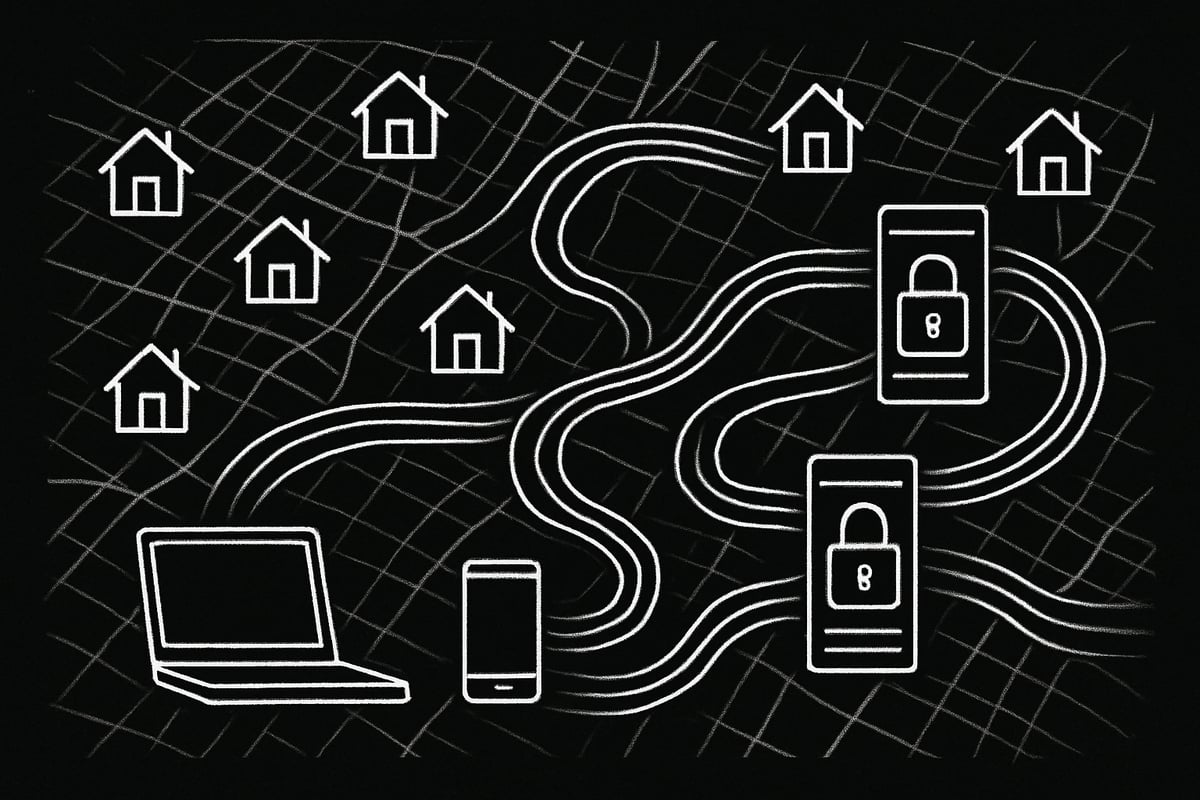
The SOCKS5 protocol is a highly flexible proxy protocol that routes internet traffic between your device and the web. Unlike traditional HTTP proxies, SOCKS5 supports multiple types of traffic, including both TCP and UDP, making it suitable for a wide range of online activities.
Residential proxies provide IP addresses that are assigned by internet service providers to real households, not datacenters. This means every time you use residential socks5 proxies, your requests appear to come from a legitimate home user, not an automated server. This significantly reduces the chances of getting blocked or flagged by websites. For a deeper dive into the foundations of residential proxies, check out Understanding Residential IP Proxies.
How do residential socks5 proxies differ from other proxy types? The main difference lies in protocol flexibility and stealth. Let's look at a quick comparison:
| Feature | SOCKS5 Proxy | HTTP Proxy |
|---|---|---|
| Protocol Support | TCP, UDP | HTTP/S only |
| Authentication | Yes | Sometimes |
| IP Type | Residential/Datacenter | Usually datacenter |
| Detection Risk | Low (residential) | High |
Because residential socks5 proxies use real residential IPs, they blend seamlessly with normal user activity, making them ideal for social media management, web scraping, and accessing geo-restricted content. Social media tools often rely on residential socks5 proxies to avoid bans and maintain uninterrupted service.
In 2025, major proxy providers boast over 30 million residential IPs from 195+ countries, ensuring vast coverage and diversity. The key advantage? Residential socks5 proxies combine stealth, flexibility, and broad compatibility for modern privacy needs.
How Residential SOCKS5 Proxies Work
Let’s demystify how residential socks5 proxies operate in practice.
First, you configure your device or application to route its internet traffic through the proxy server. This can be done via system settings, browser extensions, or within specific apps. Once set up, the proxy server assigns a residential IP address from its pool, making your requests appear as if they originate from an actual household.
All outgoing data is routed through this residential socks5 proxy, effectively masking your real IP address. This is especially useful when you need to avoid detection or access content restricted to certain regions.
SOCKS5 protocol supports both TCP and UDP traffic. This means residential socks5 proxies can handle everything from web browsing and streaming to gaming and secure messaging. Many providers offer authentication options, so only authorized users can access the proxy service, adding another layer of security.
For example, if you want to watch a streaming service only available in another country, you can use residential socks5 proxies to connect using an IP from that region. As a result, you bypass geo-restrictions and enjoy the content as if you were physically present there.
Here’s a basic example of configuring a SOCKS5 proxy in a Python script:
import socks
import socket

socks.set_default_proxy(socks.SOCKS5, "proxy_ip", port, True, "username", "password")
socket.socket = socks.socksocket
Residential socks5 proxies offer practical advantages for both individuals and businesses. They provide reliable privacy, reduce the risk of IP bans, and open up access to a broader internet.
Security and Privacy Benefits of Residential SOCKS5 Proxies
In 2025, digital privacy is no longer a luxury, it is a necessity. Users demand solutions that keep their online activities invisible to prying eyes while protecting their most sensitive data. Residential socks5 proxies have become a cornerstone for anyone seeking real security and anonymity online.
Enhanced Anonymity and Data Protection
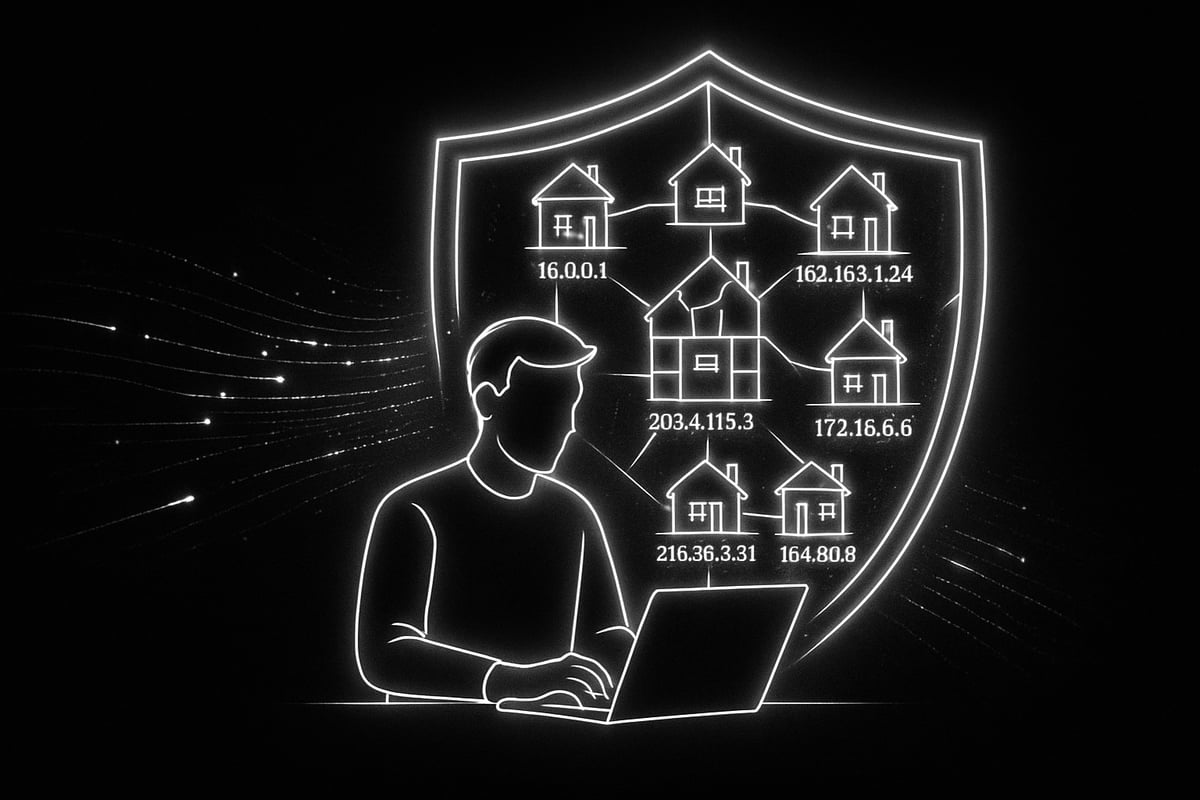
Residential socks5 proxies provide a significant boost to user anonymity. Unlike datacenter proxies, residential IPs are assigned by legitimate internet service providers to real households. This means your internet requests look just like any other regular user's, making it extremely difficult for websites, trackers, or surveillance systems to single you out.
Leading providers of residential socks5 proxies follow strict zero-log policies. They do not monitor, store, or sell your browsing history, ensuring your digital footprint remains private. With SOCKS5, all your data can pass through an encrypted tunnel, reducing the risk of interception by hackers or snoopers.
A major advantage of residential socks5 proxies is their ability to support both TCP and UDP traffic, making them compatible with a wide variety of apps and services. This flexibility, combined with IP authenticity, helps users avoid bans and blocks that datacenter or HTTP proxies often face.
For example, journalists and activists working in restrictive environments rely on residential socks5 proxies to bypass censorship and shield their communication. The proxies help them blend into normal traffic, making detection nearly impossible.
Here’s a quick summary of core privacy features:
| Feature | Residential SOCKS5 Proxies | Datacenter Proxies |
|---|---|---|
| Real IP Appearance | Yes | No |
| Zero-Log Policy | Yes (premium providers) | Rare |
| Encrypted Connections | Supported | Varies |
| Protocol Flexibility | High | Moderate |
To learn more about how these proxies compare to other types, check out this detailed benefits overview.
Protection Against Online Threats
The security advantages of residential socks5 proxies go beyond privacy. By masking your real IP address, these proxies act as a buffer between your device and potential attackers. Hackers and malicious websites see only the residential IP, never your actual location or identity.
This protection is especially valuable for anyone conducting sensitive transactions or research. If you are accessing your bank account from public Wi-Fi or running confidential business operations, residential socks5 proxies shield your traffic from eavesdroppers.
Another major benefit is protection against DDoS attacks and online tracking. Since your real IP is never exposed, attackers cannot easily target your device. Modern proxy services also report impressive reliability, with 99.7 percent uptime, so your protection is always active.
Businesses, researchers, and everyday users all benefit from the robust, adaptive defense that residential socks5 proxies offer. As cyber threats become more sophisticated, using these proxies is a proactive step toward keeping your sensitive information and online identity safe.
Key Use Cases for Residential SOCKS5 Proxies in 2025
Online privacy and unrestricted access are top priorities in 2025. Residential socks5 proxies have become essential tools for a wide range of users, from everyday individuals to advanced businesses. Let’s explore exactly how these proxies are making a difference across the digital landscape.

Secure Browsing and Privacy
Protecting your data while browsing is more crucial than ever. Residential socks5 proxies shield your real IP from prying eyes, making it much harder for ISPs or cybercriminals to track your activity.
For example, travelers often rely on public Wi-Fi at airports or hotels. Using residential socks5 proxies, they can safely access sensitive accounts, like online banking, without exposing personal information. This layer of privacy is invaluable for anyone concerned about digital surveillance or identity theft.
Bypassing Geo-Restrictions and Censorship
Streaming platforms, news sites, and social media are often restricted based on your location. Residential socks5 proxies make it possible to bypass these blocks and access the full internet, no matter where you are.
Suppose you’re in Europe and want to watch US Netflix or check a blocked news site. By routing your traffic through a US residential socks5 proxy, you appear as a local user, unlocking content and staying informed.
Web Scraping and Data Collection
Businesses depend on accurate data for smart decisions. Residential socks5 proxies are vital for web scraping and large-scale data collection, as they help avoid IP bans and CAPTCHAs.
E-commerce companies use these proxies to monitor competitor prices, track product availability, or analyze trends. For a deep dive into advanced strategies, see the Complete Guide to Web Scraping 2025. Using residential socks5 proxies ensures your requests blend in with real users, keeping your data pipelines running smoothly.
Ad Verification and SEO Monitoring
Digital marketers and agencies need to verify ads and monitor search rankings from different locations. Residential socks5 proxies let them see exactly what users in various regions experience, which is critical for campaign accuracy.
For example, an agency can confirm that ads are shown correctly to US viewers or check localized search results for SEO campaigns. With residential socks5 proxies, these checks are accurate and reliable, minimizing the risk of misleading data.
Social Media Management and Automation
Managing multiple accounts on platforms like Instagram or Facebook can trigger security defenses if done from a single IP. Residential socks5 proxies allow agencies and influencers to automate posts, manage campaigns, and interact with audiences without getting flagged or banned.
Influencer agencies, for instance, use residential socks5 proxies to safely post on behalf of numerous clients, ensuring each account appears to originate from a unique and trustworthy household IP.
Gaming and Botting
Gamers and automation enthusiasts turn to residential socks5 proxies to reduce latency, bypass regional restrictions, and avoid bans. These proxies help users connect to region-locked servers, participate in early game releases, and maintain smooth gameplay.
For example, using residential socks5 proxies, gamers in Asia can join North American servers or access content before it launches locally, all while keeping their real IP hidden.
| Use Case | Benefit |
|---|---|
| Secure Browsing | Protects privacy, hides real IP |
| Geo-Restriction Bypass | Unlocks content, avoids censorship |
| Web Scraping | Enables large-scale, ban-free data collection |
| Ad/SEO Monitoring | Accurate location-based verification |
| Social Media Management | Safe, multi-account automation |
| Gaming | Reduces lag, avoids bans, accesses regions |
Residential socks5 proxies have become the Swiss Army knife of the modern internet, offering security, flexibility, and access for users of all kinds.
How to Set Up and Use Residential SOCKS5 Proxies: Step-by-Step Guide
Setting up residential socks5 proxies might sound complex, but with the right steps, anyone can do it. Whether you want privacy, security, or unrestricted access, following this guide will help you get started smoothly. Here’s a simple breakdown for setting up and using residential socks5 proxies on any device or application.
Step 1: Choose a Reliable Proxy Provider
Selecting the right provider is the foundation for safe and effective use of residential socks5 proxies. Look for services with a large, diverse IP pool, global coverage, and a reputation for high uptime. Zero-log policies and transparent pricing are essential to protect your privacy.
Providers may offer pay-per-GB, subscription, or customizable plans. Some even allow a free trial with a limited number of proxies. Remember to avoid free or suspiciously cheap providers, as studies have shown the risks of free proxy services include malware and data leaks.
Step 2: Obtain Proxy Credentials
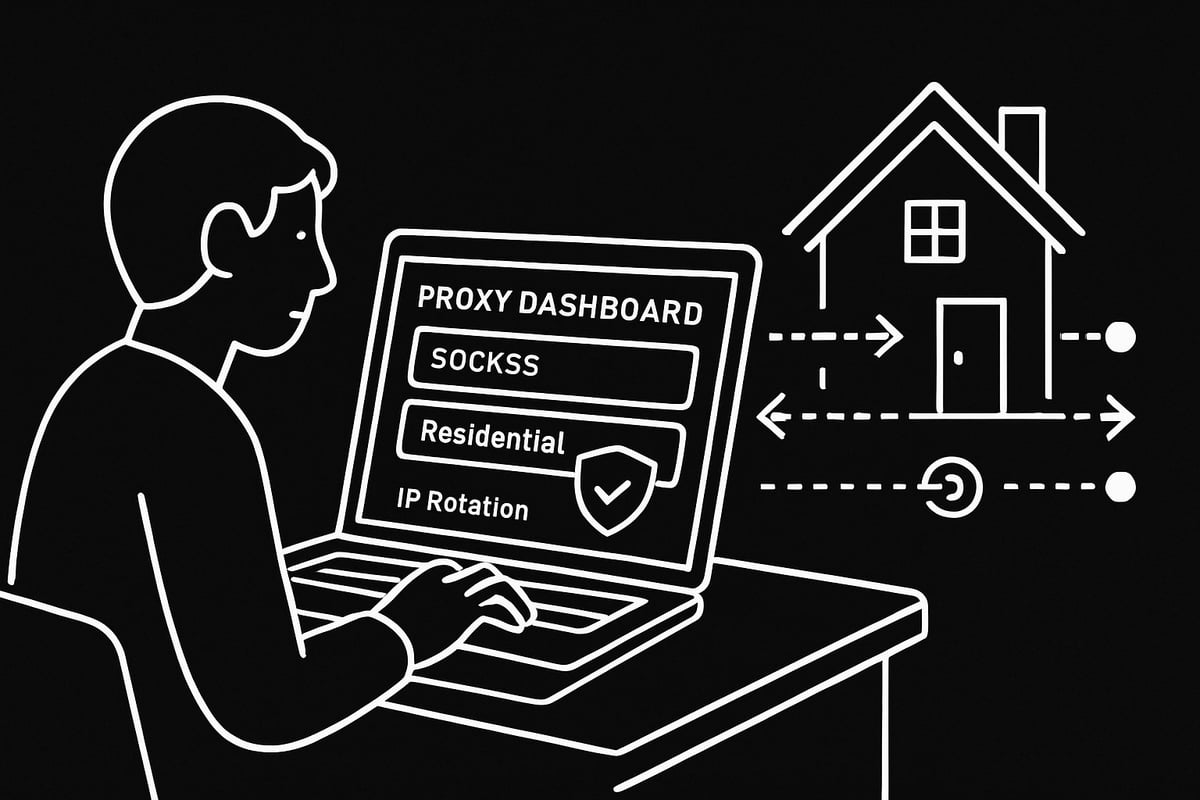
After choosing your provider, sign up and select a plan that fits your needs. Once registered, you’ll receive your proxy credentials: IP address, port, username, and password. Most dashboards also let you monitor usage, authorize IPs, and download proxy lists for easy setup.
Having access to these features simplifies managing your residential socks5 proxies and gives you control over your connections.
Step 3: Configure Proxy on Your Device or Application
Now it’s time to set up residential socks5 proxies on your preferred platform. For Windows and Mac, you can use system proxy settings or third-party managers. Browsers like Chrome offer proxy extensions, making it simple to enable proxies for web browsing.
If you use scraping tools or bots, enter the provided proxy details into the application’s custom proxy settings. Here’s a sample configuration for a scraping tool:
proxy = "socks5://username:password@proxy_ip:proxy_port"
This flexibility is what makes residential socks5 proxies so versatile for various online tasks.
Step 4: Test and Verify Your Connection
Before relying on your new setup, always test the connection. Use online tools to check your IP location and confirm it matches your chosen residential region. Monitor connection stability and speed, ensuring performance meets your expectations.
If issues arise, review your credentials or try a different IP from your provider’s pool. Reliable residential socks5 proxies should deliver consistent results.
Step 5: Maintain Security and Performance
To keep your residential socks5 proxies running smoothly, rotate IPs regularly to avoid blocks or bans. Many providers offer automated IP rotation or allow manual switching. Monitor your bandwidth usage through the dashboard and set alerts if available.
For automation projects, schedule regular IP changes to maintain anonymity. Staying proactive ensures your proxies remain effective and secure for all your browsing needs.
Choosing the Best Residential SOCKS5 Proxy Provider in 2025
Selecting the right provider for residential socks5 proxies is critical to enjoying secure, private, and reliable browsing in 2025. With so many options on the market, making an informed choice can feel overwhelming. Let’s break down what you need to look for and what to avoid.
Key Factors to Evaluate
When comparing residential socks5 proxies, focus first on the size and diversity of the IP pool. Leading services offer over 30 million IPs across 195+ countries, which helps you access content worldwide and reduces the risk of blocks.
Next, consider uptime. The best providers guarantee at least 99.7% uptime, ensuring your connection remains stable. Bandwidth limits and transparent pricing are also crucial. Some services offer pay-per-GB, monthly subscriptions, or custom enterprise plans. Make sure you understand exactly what you’re paying for.
Authentication is another key factor. Look for user authentication and IP whitelisting to keep your account secure. Dashboards should be user-friendly, providing usage stats, proxy list downloads, and easy management of your residential socks5 proxies.
Support matters as well. Opt for providers with 24/7 customer service, free trials, and clear refund policies. Customer reviews, such as Trustpilot ratings, offer real insights into reliability and satisfaction.
To help you compare, here’s a quick summary:
| Feature | Ideal Standard | Why It Matters |
|---|---|---|
| IP Pool Size | 30M+ IPs, 195+ countries | Global coverage, lower block risk |
| Uptime | 99.7%+ | Reliable, consistent access |
| Pricing | Transparent, flexible | No surprises, fits your usage |
| Authentication | User/IP whitelisting | Account and data security |
| Dashboard | Intuitive, detailed stats | Easy management and monitoring |
| Support | 24/7, free trial, refund | Quick help and risk-free testing |
Choosing between static and rotating proxies depends on your needs. Static IPs are best for long sessions, while rotating proxies excel at large-scale scraping or automation.
Finally, ensure your provider supports ethical use and compliance. For a deeper understanding of responsible proxy practices, see the Ethical Proxy Usage Guidelines.
Potential Pitfalls and How to Avoid Them
Not all residential socks5 proxies are created equal. Free or suspiciously cheap proxies may seem tempting, but they often carry hidden risks such as malware, data leaks, or unreliable connections.
Here are common pitfalls to watch out for:
- Free proxies: These often compromise your security and privacy.
- Hidden fees: Some providers add charges for bandwidth or extra features.
- Bandwidth throttling: Check for any usage caps that could slow you down.
- Poor support: Lack of responsive help can leave you stranded during issues.
- Non-compliance: Using proxies against terms of service or local laws can lead to bans or legal trouble.
To protect yourself:
- Always read the provider’s fair use policy and terms.
- Test services with a free trial before committing.
- Monitor your bandwidth and usage through the dashboard.
- Choose providers with transparent pricing and visible customer reviews.
- Avoid services that don’t clearly state their zero-log policy.
By keeping these tips in mind, you’ll ensure your experience with residential socks5 proxies is secure, smooth, and fully compliant.
Advanced Tips for Maximizing Security and Performance with Residential SOCKS5 Proxies
Maximizing the potential of residential socks5 proxies requires more than just basic setup. By applying advanced techniques, you can boost privacy, speed, and reliability. Let’s dive into practical strategies that ensure your proxy usage remains effective, secure, and future-proof.
Optimizing Proxy Usage
Effective use of residential socks5 proxies starts with automation. Set up scripts or use proxy management tools to rotate IP addresses at regular intervals. This reduces the risk of getting blocked during high-volume tasks like scraping or automation.
Use multi-threaded applications to increase throughput. By splitting requests across multiple threads and proxies, you can scale operations without sacrificing speed. For example:
# Example: rotating proxies in Python
proxies = ['proxy1', 'proxy2', 'proxy3']
for i, task in enumerate(tasks):
    proxy = proxies[i % len(proxies)]
    run_task_with_proxy(task, proxy)
Consider splitting traffic across several proxies for large projects. This balances load and reduces the likelihood of bans. These techniques help residential socks5 proxies adapt to changing online environments while maintaining anonymity.
Integrating with Tools and Platforms
Seamless integration is key for advanced users. Many platforms and tools support proxy APIs, which allow you to programmatically manage residential socks5 proxies. This includes adding, removing, or rotating proxies on demand.
For browser-based tasks, use proxy manager extensions or configure settings directly in Chrome, Firefox, or specialized automation tools. Bots, SEO platforms, and scraping frameworks often support SOCKS5 natively, offering flexibility for complex projects.
If you want to understand how SOCKS5 compares with other protocols, check out Types of Proxy Protocols Explained for a deeper dive. Integrating residential socks5 proxies with existing workflows lets you scale securely without manual intervention.
Staying Ahead of Detection and Blocks
Websites are constantly improving their detection methods, so staying ahead is essential. Rotate user agents and HTTP headers alongside your residential socks5 proxies to appear as unique visitors each time.
Monitor for CAPTCHAs or unusual response codes. If you notice an increase, adjust your rotation frequency or switch proxy pools. Using a mix of residential and mobile proxies can also help bypass stricter defenses.
Quick tip: Always keep your proxy list updated to avoid using flagged or slow IPs. This proactive approach keeps your operations running smoothly and undetected.
Monitoring and Troubleshooting
Regular monitoring is crucial for maintaining security and speed. Use dashboards provided by your proxy provider to track bandwidth, uptime, and IP health. Test your connection’s anonymity and speed using online tools after each configuration change.
If you experience slowdowns or blocks, review logs for patterns. Common issues include expired credentials, overused IPs, or region mismatches. Most providers offer real-time analytics - use these insights to optimize your residential socks5 proxies setup.
A simple troubleshooting table:
| Issue | Possible Cause | Solution |
|---|---|---|
| Slow speed | Overused IPs | Rotate proxies |
| Frequent blocks | Static user agents | Rotate headers/agents |
| Connection loss | Credential issues | Re-authenticate |
Staying Updated on Proxy Trends in 2025
Proxy technology evolves rapidly. Stay informed about new detection techniques and changes in proxy policies. Subscribe to industry newsletters and join relevant forums to catch updates on residential socks5 proxies.
Legal and compliance requirements may shift, especially in cross-border data environments. Review your provider’s terms regularly and ensure your use cases comply with current regulations.
By keeping up with the latest trends, you can adapt your strategies quickly and continue to benefit from the security and flexibility residential socks5 proxies provide.
Frequently Asked Questions About Residential SOCKS5 Proxies
Curious about residential socks5 proxies? Here are answers to the questions we hear most often, so you can make informed decisions about your secure browsing setup.
What’s the difference between residential and datacenter SOCKS5 proxies?
Residential socks5 proxies use IP addresses provided by real ISPs to genuine household devices. In contrast, datacenter proxies come from commercial servers. Residential proxies appear as actual users, making them harder to detect and block. This results in better access and fewer CAPTCHAs compared to datacenter options.
Are residential socks5 proxies legal to use?
Yes, using residential socks5 proxies is legal in most countries, provided you use them for ethical and lawful activities. However, always check your local laws and the terms of service of the sites you access. Illegitimate use, such as fraud or hacking, can still result in legal consequences.
How do SOCKS5 proxies compare to VPNs for privacy?
SOCKS5 proxies route traffic at the application level, while VPNs encrypt all device traffic. Proxies offer more flexibility for specific apps and tasks. For a deeper dive into the SOCKS5 protocol overview, check out this resource. Both options enhance privacy, but residential socks5 proxies are ideal for stealth and bypassing blocks.
Can I use residential socks5 proxies for streaming and gaming?
Absolutely. Residential socks5 proxies are popular for accessing geo-restricted streaming content and joining region-locked gaming servers. They help reduce latency, avoid bans, and provide a smoother experience by masking your real location with a genuine residential IP.
What are the bandwidth and speed limitations?
Most premium residential socks5 proxies offer high speeds and generous bandwidth. Performance depends on your provider’s infrastructure and your chosen plan. Always review the terms, as some providers may enforce bandwidth limits or throttle speeds during peak usage.
How do I troubleshoot connection issues?
First, verify your proxy settings and credentials. Test your connection using an IP checker. If problems persist, try switching to another residential socks5 proxy from your pool or contact your provider’s support. Regularly updating your software and rotating IPs can help maintain stability.
Are there risks in using free residential socks5 proxies?
Yes, free proxies are risky. They often lack security, may log your data, and sometimes inject malware. For more insights, the Evaluation of open proxies highlights security threats in open proxy networks. Stick with reputable, paid residential socks5 proxies for safety.Now that you know how residential SOCKS5 proxies can boost your privacy and security in 2025, it’s a great time to take action and protect your online life. With features like high-speed connections, zero-log policies, and global coverage, you’ll enjoy true freedom and anonymity whether you’re streaming, working, or just browsing. If you’re ready to experience a safer internet and explore everything PinguProxy has to offer, you can Get Started Now. It’s quick, easy, and gives you the peace of mind you deserve for all your online activities.