
Static Residential IP Guide: Everything You Need to Know 2026
Online privacy and reliability have never been more critical, especially as we move into 2026. Businesses and individuals alike are searching for ways to protect their digital identities and ensure seamless access to online resources. This is where a static residential ip becomes invaluable.
A static residential ip is an IP address assigned by an internet service provider to a real home connection, offering consistent online presence and enhanced legitimacy. It matters because it allows users to bypass restrictions, avoid bans, and maintain secure, trusted access for various tasks.
In this guide, we’ll demystify static residential ip technology. You’ll learn what it is, how it works, how it compares to alternatives, and how you can select and use the best option for your needs. By the end, you’ll have the practical knowledge to make the right choice for privacy, security, and performance.
What Is a Static Residential IP?
Understanding what a static residential ip is can help you make smarter choices for privacy, reliability, and online business. As digital needs grow, knowing the difference between proxy types is vital for both individuals and organizations.
Definition and Core Concepts
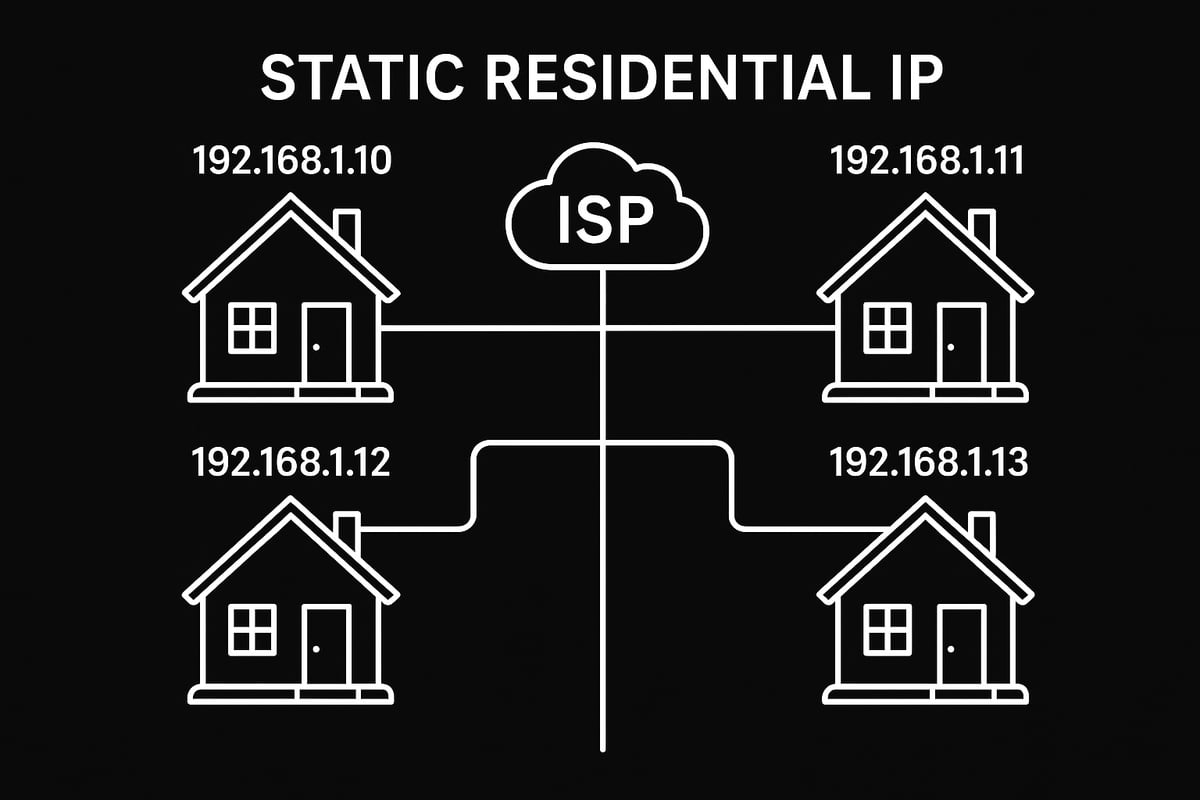
A static residential ip is an IP address that is assigned to a real residential device by an Internet Service Provider (ISP) and remains fixed over time. Unlike dynamic IPs, which change periodically, a static residential ip provides a stable online identity. The "residential" part means the IP comes from genuine home internet connections, not commercial data centers. This makes a static residential ip appear as a real user to websites, increasing trust and legitimacy.
Here is a quick comparison of proxy types:
| Proxy Type | Source | IP Stability | Use Case Example |
|---|---|---|---|
| Static Residential IP | Home ISP | Permanent | Social media management |
| Datacenter IP | Hosting Provider | Variable | Bulk data scraping |
| Mobile IP | Mobile Carrier | Variable | Mobile app testing |
Providers like IPRoyal offer over 500,000 unique static residential ip addresses across 31+ countries, while Webshare features 100,000+ proxies in 195+ locations. These IPs are sourced from major ISPs such as AT&T, Sprint, and Cox Communications, ensuring high quality and authenticity. ISPs play a critical role by assigning these IPs directly to residential devices, guaranteeing that each static residential ip is both legitimate and persistent.
For a deeper dive into how these proxies work and why they matter, check out this Static residential proxies guide.
How Static Residential IPs Work
The technical process behind a static residential ip starts with an ISP assigning a fixed IP address to a specific home device. This assignment is permanent, so unless the user requests a change, the static residential ip does not alter. This permanence is ideal for tasks that require consistent identity, such as managing online accounts or running long-term web scraping operations.
Authentication methods are flexible. Most providers support username and password logins or IP whitelisting for secure access. Supported protocols include SOCKS5 and HTTP/S, giving users compatibility with a wide range of tools and applications.
Here’s an example of how you might configure a static residential ip in a scraping tool:
proxy = '123.45.67.89:1080'
username = 'youruser'
password = 'yourpass'
The main benefit of using a static residential ip is stability. Since the IP does not rotate, your sessions remain uninterrupted, and your activities appear more legitimate to web platforms. This makes static residential ip solutions popular for tasks like account management, ad verification, and accessing region-locked content.
Key Benefits of Static Residential IPs
Today, businesses and individuals need more than just access - they need privacy, reliability, and speed online. This is where the static residential ip truly shines. Let’s break down the core benefits that make these IPs the gold standard for secure and consistent digital activity.
Enhanced Reliability and Consistency
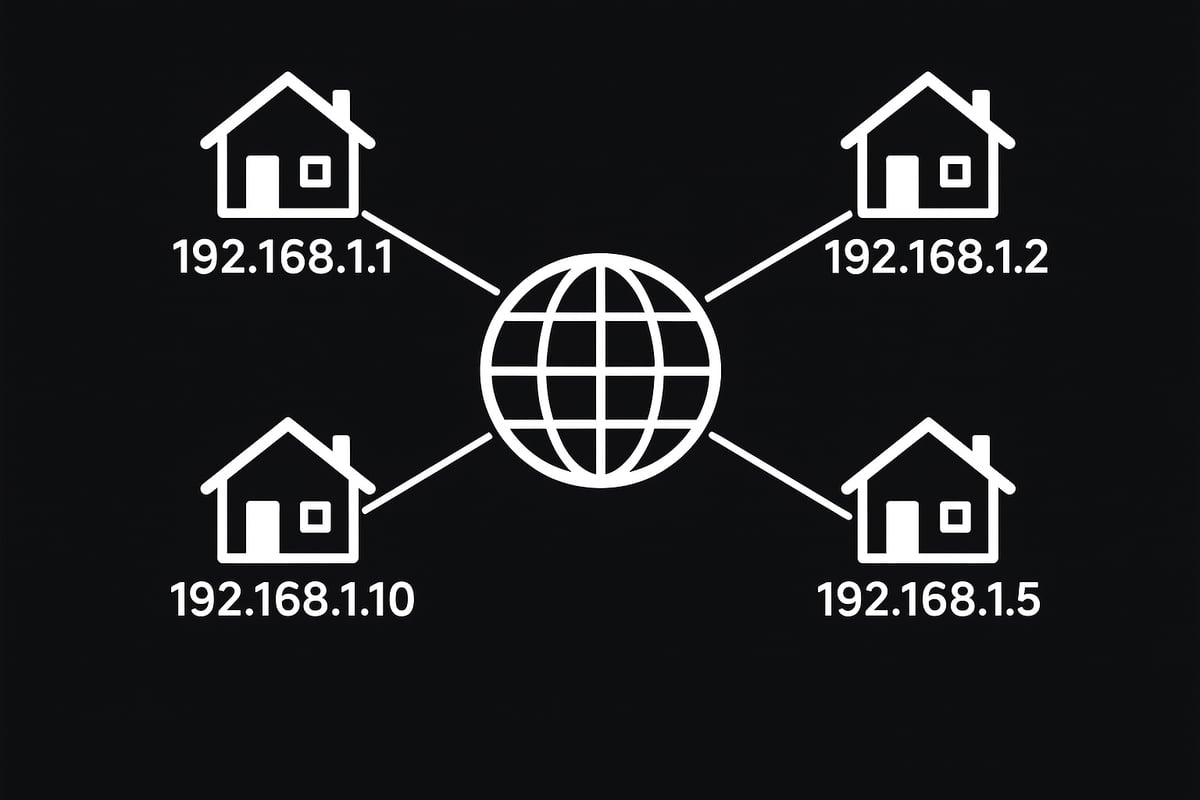
One of the standout advantages of a static residential ip is unmatched reliability. With a fixed IP sourced from a real residential ISP, you maintain the same digital identity for as long as you need. This means fewer interruptions and far less risk of being flagged or banned by websites that monitor for suspicious activity.
No more juggling multiple IPs or dealing with session drops. Your online presence remains stable. For example, an e-commerce monitoring bot can run for weeks without facing IP changes or unexpected blocks. For a deeper dive on how static residential proxies help web apps stay reliable and consistent, see Building Digital Stability with Static Residential Proxies.
Superior Anonymity and Trust
Websites are getting smarter at spotting bots and datacenter proxies. The static residential ip, however, looks like a real user’s address, which makes it much harder to detect and block. This boosts your anonymity and online trust.
A dedicated static residential ip means you are not sharing your reputation with anyone else. So, if you’re handling sensitive data or running confidential campaigns, your privacy is enhanced. Providers like IPRoyal offer no-log policies, so your activities stay private.
Performance and Speed Advantages
Speed matters, especially for high-frequency tasks. With a static residential ip, you can expect fast, low-latency connections - some providers deliver up to 1Gbps speeds and unlimited bandwidth.
This performance edge is crucial for tasks like web scraping, streaming, or managing multiple accounts. High uptime (up to 99.9 percent) ensures your operations run smoothly. Unlike rotating proxies, static residential ip solutions minimize disruptions and keep your data flow steady.
| Feature | Static Residential IP | Rotating Proxy |
|---|---|---|
| Speed | High | Variable |
| Uptime | 99.9 percent | 95-99 percent |
| Consistency | Stable | Less stable |
Geo-Targeting and Global Reach
Accessing global content often means running into geo-blocks. With static residential ip services, you can choose from IPs in 31 plus countries (IPRoyal) or even 195 plus locations (Webshare). This opens the door for testing localized services, accessing region-restricted content, or verifying ads worldwide.
Need to simulate a user from Paris, New York, or Tokyo? Static residential ip providers make it easy to pick and use the location you need, every time.
Use Case Flexibility
The static residential ip is incredibly versatile. Marketers, developers, and enterprises use them for everything from web scraping and SEO tracking to ad verification and social media automation.
Whether you’re running a sneaker bot, managing client accounts, or collecting global market data, a static residential ip adapts to your needs. It’s the flexible backbone for any serious online project.
Common Use Cases for Static Residential IPs
Businesses and individuals rely on a static residential ip for a range of specialized online tasks. These IPs offer unmatched stability, trust, and versatility, making them the go-to solution for everything from data collection to brand protection.
Web Scraping and Data Collection
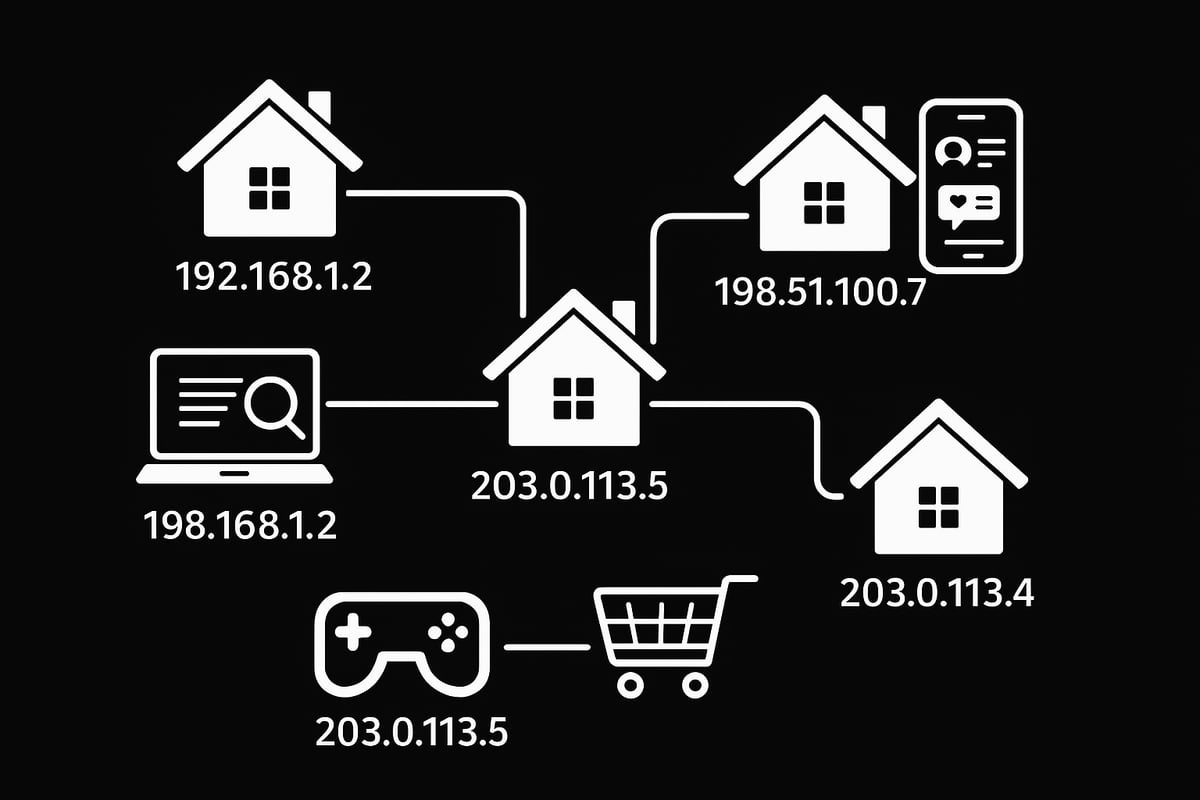
A static residential ip is a top choice for web scraping tasks that demand reliability and longevity. Many websites block datacenter IPs, but static residential addresses appear as genuine users, reducing the risk of bans.
Common scenarios include:
- Price monitoring for e-commerce platforms
- Aggregating travel fares across multiple providers
- Collecting stock market data for analysis
For a deeper dive into practical applications and statistics, see the Best Use Cases for Static Residential Proxies.
Social Media and Account Management
Managing multiple social media accounts, especially for agencies, can be challenging without the right tools. A static residential ip helps you avoid triggering suspicion or automated bans.
Use cases:
- Handling client profiles securely
- Automating posts across several accounts
- Maintaining consistent login sessions
The stability and trust factor of these IPs makes them ideal for social media professionals.
E-Commerce and Sneaker Botting
E-commerce businesses and sneaker enthusiasts often compete for limited-edition releases. Using a static residential ip allows bots to operate without frequent IP changes, helping secure purchases.
Highlights:
- Automating checkouts for flash sales
- Avoiding bans during high-traffic events
- Ensuring each bot appears as a real customer
This approach boosts success rates for both retailers and shoppers.
Ad Verification and Brand Protection
Verifying online ads and protecting your brand from fraud requires a real-user perspective. By leveraging a static residential ip, agencies can check ad placements and detect fraudulent activity as if they were genuine users in different regions.
Key benefits:
- Detecting unauthorized ad placements
- Monitoring competitor campaigns globally
- Ensuring compliance with regional regulations
A static presence ensures accurate, repeatable checks.
Streaming, Gaming, and Accessing Restricted Services
A static residential ip is useful for bypassing region locks on streaming or gaming platforms. Gamers and entertainment seekers gain access to content otherwise blocked in their country.
Examples include:
- Watching geo-restricted shows
- Accessing exclusive game servers
- Enjoying uninterrupted streaming sessions
The consistent IP offers a seamless experience for users.
Enterprise and Business Applications
Large organizations use a static residential ip for data collection, compliance monitoring, and global testing. Enterprises benefit from the reliability and exclusivity these IPs provide.
Business applications:
- Scaling up data intelligence projects
- Running quality assurance tests across locations
- Ensuring secure, compliant online operations
For complex needs, static residential IPs offer enterprise-grade flexibility.
Choosing the Right Static Residential IP Provider
Selecting the best static residential ip provider is crucial for reliable, secure, and scalable online operations. The market offers a wide range of options, so knowing what to look for can help you avoid costly mistakes and maximize your investment.
Core Selection Criteria
When choosing a static residential ip provider, start by assessing the provider’s IP pool size and geographic diversity. Leading services like IPRoyal offer over 500K unique IPs across 31 countries, while Webshare boasts 30M+ proxies in 195+ locations. This variety ensures you can access the locations critical for your projects.
Next, consider the quality and range of partnered ISPs. Premium ISPs like AT&T, Sprint, and Lumen increase legitimacy and reduce the chance of blocks. Look for performance guarantees such as 99.7% to 99.9% uptime, speeds up to 1Gbps, and unlimited bandwidth to support demanding workflows.
Dedicated static residential ip options provide exclusive use, so you do not share reputation or risk with others. Authentication methods should include both username/password and IP whitelisting for flexible, secure access. Protocol support (SOCKS5, HTTP/S) is essential for compatibility with various tools.
Customer support also matters. Choose providers with 24/7 support and intuitive dashboards for efficient management.
Here is a quick comparison table for reference:
| Feature | IPRoyal | Webshare |
|---|---|---|
| Pool Size | 500K+ | 30M+ |
| Locations | 31+ countries | 195+ locations |
| ISPs | AT&T, Sprint | Lumen, others |
| Uptime | 99.9% | 99.7%+ |
| Bandwidth | Unlimited | Unlimited |
| Dedicated IPs | Yes | Yes |
| Support | 24/7 | 24/7 |
For a deeper technical explanation of how providers source and manage static residential ip resources, see this Understanding ISP Proxies (Static Residential Proxies) guide.
Pricing and Flexibility
Pricing models for static residential ip services vary. Some providers charge per IP, with rates as low as $0.23 per IP (Webshare), while others offer per GB or custom plans. Look for flexible contract terms, such as no mandatory contracts (IPRoyal), to avoid long-term commitments.
Test the service with free trials or money-back guarantees. If you need a large number of IPs, ask about bulk discounts to reduce your cost per IP.
Reputation and Trustworthiness
The reputation of a static residential ip provider is a strong indicator of quality. Check independent ratings - IPRoyal holds a 4.1+ on Trustpilot, while Webshare is rated 4.2+. Transparency is vital, so prefer providers with zero-log policies and clear, ethical sourcing of their IPs.
Case studies and user reviews offer real-world insight into reliability and performance. Consistent positive feedback and documented success stories can help you make a confident choice.
PinguProxy: High-Speed Alternatives for Web Scraping and Privacy Needs
If your needs extend beyond static residential ip solutions, PinguProxy is a robust alternative. PinguProxy specializes in high-speed datacenter and mobile proxies, making it ideal for users who require scalable, secure, and private proxy access for diverse applications.
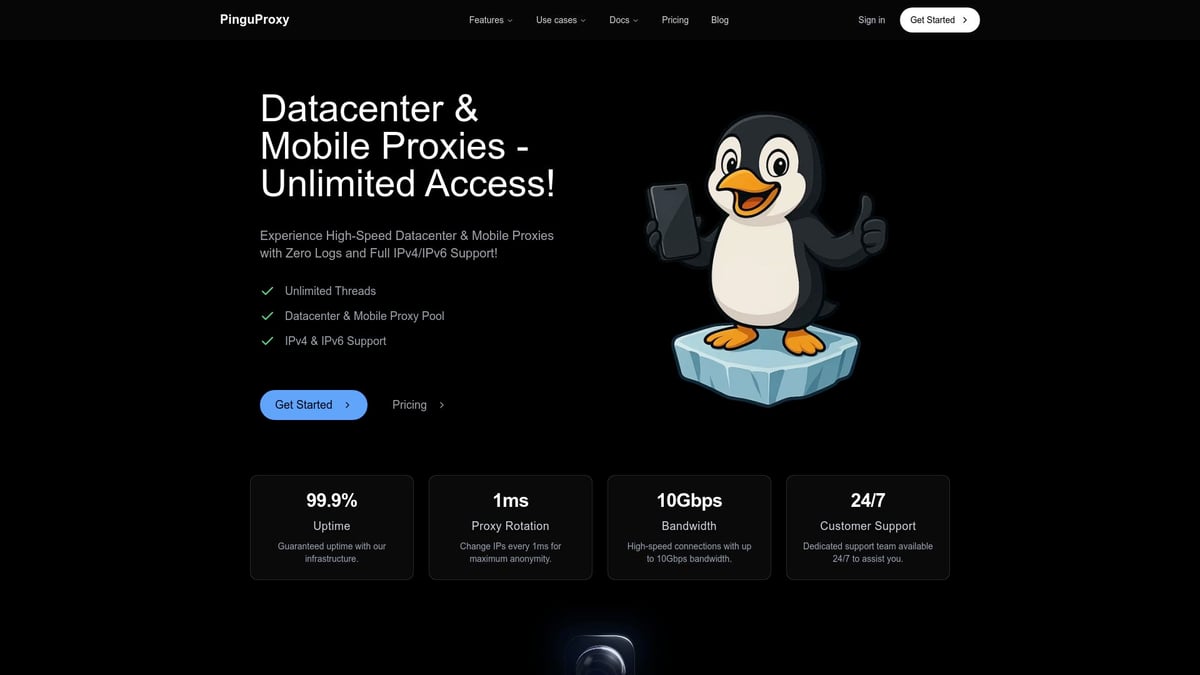
With unlimited access to IPv4 and IPv6 proxies, 10Gbps bandwidth, and ultra-fast 1ms proxy rotation, PinguProxy delivers enhanced anonymity and performance. The platform guarantees 99.9% uptime and enforces a zero-log policy, maintaining privacy and reliability for tasks like web scraping, gaming, or accessing restricted content.
PinguProxy’s 24/7 customer support and user-friendly dashboard make it easy to manage large-scale projects. For professionals and enterprises seeking flexible, high-performance proxy solutions outside the static residential ip niche, PinguProxy stands out as a top choice.
How to Set Up and Use Static Residential IPs: Step-by-Step Guide
Setting up a static residential ip can feel intimidating at first, but the process is simpler than it seems. Whether you are a business owner, developer, or digital marketer, following a clear setup path ensures you get the full benefit of your static residential ip investment. Let’s break down the process into manageable steps so you can start using your static residential ip with confidence.
Step 1: Assess Your Needs
Begin by clarifying why you need a static residential ip. Are you focused on web scraping, managing multiple accounts, or ad verification? Each use case might require different features.
List out your requirements:
- Target locations (countries, cities)
- Number of static residential ip addresses
- Bandwidth and speed needs
- Duration of use
Thinking ahead about these factors will help you select the most suitable provider and avoid overpaying for unnecessary features.
Step 2: Choose a Provider and Plan
Next, compare providers based on their static residential ip offerings. Look for pool size, geographic coverage, and supported ISPs. Popular providers like IPRoyal and Webshare offer large pools and diverse locations.
Key criteria to evaluate:
- Pool size (e.g., 500K+ IPs)
- Speed and uptime guarantees (99.9% recommended)
- Transparent pricing and flexibility
- Dedicated versus shared static residential ip options
Reading reviews and checking provider dashboards can help you make a confident choice.
Step 3: Purchase and Provision IPs
Once you've selected your provider, register and choose your static residential ip package. Most platforms let you pick specific locations and quantities.
Example process:
- Sign up and complete payment.
- Select the number of static residential ip addresses (e.g., 20 proxies).
- Choose regions or cities for your proxies.
- Access your IP list via dashboard or email.
Providers often present instant provisioning, so you can start working within minutes.
Step 4: Configure Authentication and Access
To secure your static residential ip, set up authentication. Most providers offer username/password combinations or IP whitelisting.
Common methods:
- Username/password login
- Whitelisting your device’s IP
Download your static residential ip list and review configuration instructions. Many providers also offer API access or user dashboards for streamlined management.
For foundational concepts behind residential proxy setup, you may want to check out Residential proxy basics.
Step 5: Integrate with Your Tools
Now, connect your static residential ip to your preferred apps, browsers, or scraping tools. Most support HTTP/S and SOCKS5 protocols.
A sample configuration for a browser or scraper might look like:
Proxy Type: SOCKS5
Proxy IP: [Your Static Residential IP]
Port: [Assigned Port]
Username: [Your Username]
Password: [Your Password]
Some tools offer bulk import features, making integration with multiple static residential ip addresses much faster.
Step 6: Test and Monitor Performance
Before starting your project, test each static residential ip for speed and connectivity. Use a proxy tester tool or your provider’s dashboard.
Monitor for:
- Connection speed (latency)
- Successful authentication
- Any blocks or bans
Regular monitoring helps you catch issues early and maintain smooth operations.
Step 7: Maintain and Rotate as Needed
Even with a static residential ip, occasional maintenance is essential. If an IP gets blacklisted, replace it through your provider’s dashboard.
Best practices:
- Periodically review IP status
- Use rotation features if available for added protection
- Keep backup static residential ip addresses in reserve
By following these steps, you ensure your static residential ip setup remains reliable and secure. Careful planning and routine monitoring will maximize your investment and keep your online activities running smoothly.
Static Residential IPs vs. Other Proxy Types {400}
Choosing the right proxy is essential for security, efficiency, and success online. Whether you are running automated tools or managing accounts, understanding how a static residential ip compares to other options is key. Let's break down the differences in plain language and practical examples.
Static Residential vs. Rotating Residential Proxies
A static residential ip gives you the same IP address for as long as you need it. This is crucial for tasks like account management, where consistency is required. In contrast, rotating residential proxies swap your IP frequently, which can boost anonymity but may disrupt persistent sessions.
Web scraping projects often benefit from rotating proxies, but logging into accounts or accessing sensitive portals is smoother with a static residential ip. For a deeper dive into these differences, check out this Static vs rotating proxies comparison guide.
Here’s a quick table for clarity:
| Feature | Static Residential IP | Rotating Residential Proxy |
|---|---|---|
| IP Consistency | High | Low |
| Anonymity | Moderate | High |
| Best For | Account Management | Scraping, Data Mining |
| Block/Ban Risk | Low | Varies |
Static Residential vs. Datacenter Proxies
Unlike a static residential ip, datacenter proxies are created in data centers, not assigned by ISPs to real homes. This makes datacenter proxies faster and often cheaper, but they are more likely to be blocked by websites due to their less authentic appearance.
If your task demands high trust and lower ban rates, a static residential ip is the better choice. Datacenter proxies excel in speed and cost, but static residential options deliver reliability for sensitive activities.
A key point: static residential ip solutions come from real ISPs, while datacenter IPs do not. This makes a difference for tasks where appearing as a real user is essential.
Static Residential vs. Mobile Proxies
Mobile proxies are sourced from real mobile devices, using mobile carrier networks. They are ideal for mobile-specific tasks, such as app testing or mobile ad verification. However, they tend to be more expensive and less stable than a static residential ip.
A static residential ip is more stable and easier to maintain over time, especially for business processes. If you need to emulate a typical home internet user, static residential is the go-to. For mobile environments, mobile proxies are irreplaceable.
Use Case Recommendations
So, which proxy is right for you? The answer depends on your goals. Use a static residential ip for social media management, e-commerce monitoring, or any task that demands a consistent online identity. Rotating residential proxies shine for aggressive data collection or scraping at scale.
Datacenter proxies are best for non-sensitive, high-speed tasks where bans are not a major concern. Mobile proxies are essential for mobile-specific automation or testing.
If you need exclusive access and want to understand more about private options, the Private residential proxies explained article is a great resource.
With the right proxy type, your projects can run smoother, faster, and more securely.
Trends and Future Outlook for Static Residential IPs in 2026
The world of static residential ip is on the brink of major transformation as we look ahead to 2026. Rising online privacy concerns, stricter compliance needs, and a global shift toward digital-first business are fueling unprecedented demand. According to recent Residential Proxy Server Market Analysis, the residential proxy sector is projected to expand rapidly, with more individuals and businesses seeking secure, reliable online identities.
Market Growth and Demand
The static residential ip market is experiencing explosive growth. This surge is driven by a variety of sectors, including e-commerce, fintech, and digital marketing, all of which demand reliable and persistent online identities. As privacy regulations tighten and cyber threats evolve, businesses and individuals increasingly rely on static residential ip solutions to maintain secure, trusted access to online resources.
Providers are responding by expanding their global IP pools and offering more location choices. This makes it easier for users to access geo-restricted content or conduct region-specific tasks. Competitive pricing and flexible plans are also making static residential ip access more attainable for startups and enterprises alike.
Advancements in Proxy Technology
Innovation is at the heart of the static residential ip landscape. Providers are scaling up their infrastructure, with pools now reaching millions of unique IPs across hundreds of countries. Automation is a key trend, enabling smarter IP rotation and seamless integration with enterprise systems.
Technical improvements like 1Gbps bandwidth and ultra-low latency connections are becoming standard. These upgrades allow static residential ip users to run high-frequency tasks such as web scraping, ad verification, and global QA testing without interruptions. As technology matures, expect even faster and more reliable connections in the near future.
Regulatory and Compliance Considerations
As the static residential ip market grows, so does the focus on ethical sourcing and regulatory compliance. Providers are implementing zero-log policies and transparent practices to assure users of data privacy. Stricter privacy laws worldwide are pushing the industry to prioritize user consent, data protection, and responsible proxy acquisition.
Companies must now carefully evaluate their proxy partners to ensure compliance with local and international regulations. Choosing providers that offer transparent sourcing and robust privacy commitments is becoming a standard best practice for anyone leveraging static residential ip services.
Evolving Use Cases and Challenges
Use cases for static residential ip are expanding rapidly, driven by advances in AI, machine learning, and automation. Businesses are leveraging these IPs for sophisticated tasks like AI-driven data collection, advanced geo-targeting, and fraud detection. Integration with cloud platforms and automation tools is making static residential ip more accessible and scalable.
However, challenges remain. Anti-bot technologies are growing more sophisticated, requiring proxy providers to innovate continuously. Balancing privacy, speed, and cost is an ongoing struggle for users. The opportunity lies in providers who can deliver transparent, high-performance solutions that adapt to both regulatory and technical shifts.
Looking ahead, the future of static residential ip will revolve around smarter automation, ethical practices, and expanding use cases. For professionals and enterprises aiming to stay ahead, investing in the right static residential ip solutions will be key to thriving in the digital age.Now that you have a clear understanding of what static residential IPs are, how they work, and why they matter in 2026, you might be thinking about the next step for your own privacy or project needs. Whether you’re aiming to boost your online anonymity, streamline web scraping, or access services securely from anywhere, having the right proxy partner makes all the difference. If you’re ready to put these insights into action and explore flexible, high-performance proxy options, you can Get Started Now and see how easy it is to elevate your online experience.